
Brazilian Pepper: The Invasive Eating Southwest Florida Properties
It grows a foot a month, smothers everything native, and cutting it wrong makes it angrier. How to actually get rid of Brazilian pepper trees.
· Lake & Preserve
Lake bank erosion is the slowest emergency in Florida. Nothing about it looks urgent until a homeowner's lanai footer is closer to the water than it used to be, and by then the cheap options are gone. We restore banks across Sarasota County communities, and the pattern is nearly always the same.
Stormwater ponds work hard. Every heavy rain pushes water in fast, levels swing, and small waves work at the shoreline year-round. Add two common practices and erosion accelerates: mowing turf grass right to the water's edge, and letting banks stay bare where shade or foot traffic killed the grass. Turf roots are a couple inches deep; they hold nothing once the edge starts undercutting. Rain sheeting off lawns and gutters cuts channels. The bank retreats a little every year, and the pond quietly widens itself at your community's expense.
That last one hurts twice: the soil leaving the bank becomes sediment in the pond, shrinking its stormwater capacity, which can eventually mean dredging. One problem becomes two.
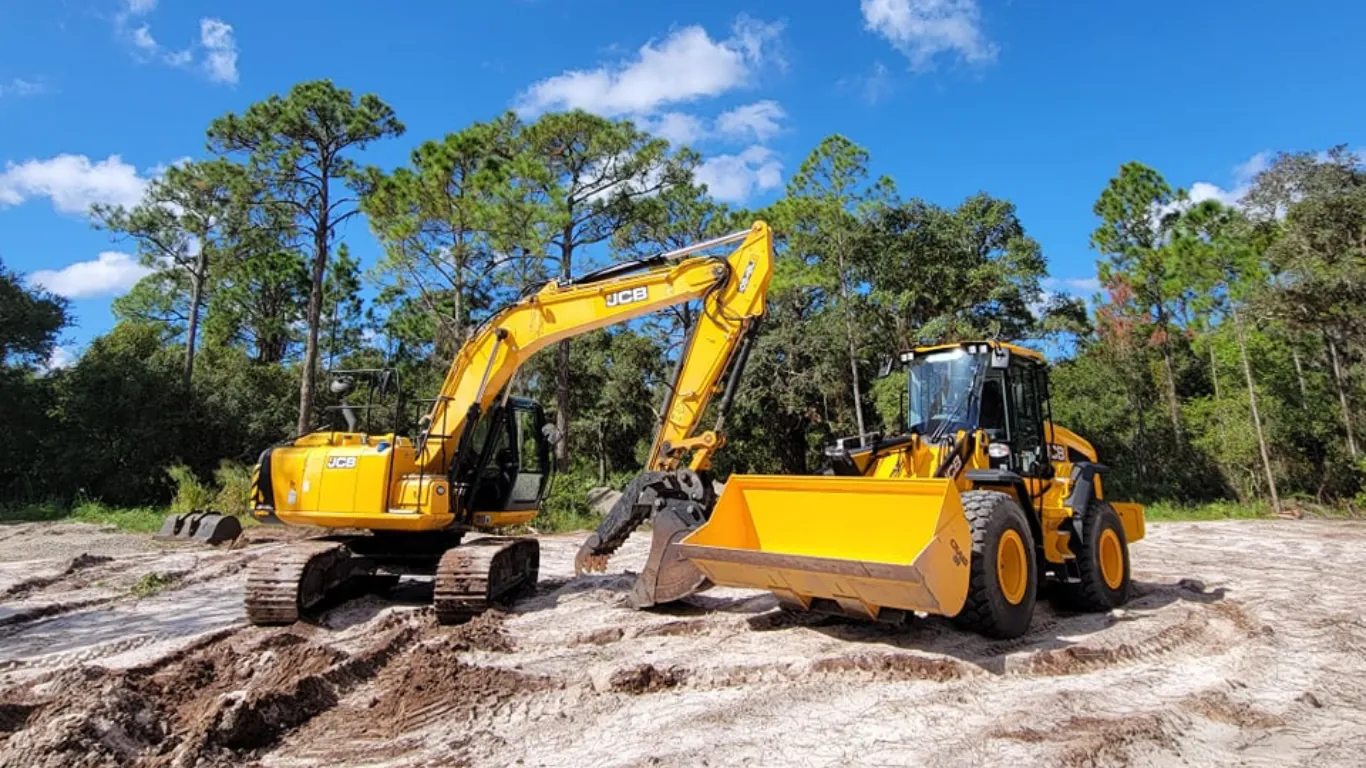
It depends on how far gone the bank is. Early-stage work is regrading the slope and establishing the right vegetation: native shoreline plants whose roots actually hold, instead of turf mowed to the edge. Further along, restoration means rebuilding the bank itself, bringing in material, reshaping to a stable slope, and armoring where wave action demands it, then planting so it stays put. Our lake bank restoration crews do both, and because we also handle ongoing lake management, the fix comes with a plan to keep it fixed.
Boards sometimes resist shoreline planting because it reads as less tidy than mowed grass to the water. But a planted littoral edge is what stability looks like: deep roots binding the bank, stems knocking down wave energy, and a filter strip catching runoff nutrients before they feed the summer algae bloom. Done well it looks intentional and clean, and it turns the bank from a maintenance liability into part of the pond's function.
Bank work priced early is grading and planting. Priced late, it's material, machines, and linear footage of reconstruction, often behind multiple homes at once. The difference isn't small. If your community's banks are showing the early signs, this year's budget meeting is the cheap time to act.
A bank assessment is a walk of the full shoreline, not a look at the one bad spot that prompted the call, because erosion is a system behavior and the bad spot is just where it's furthest along. We're reading the slope angle above and below the waterline, where undercutting has started, how runoff enters the pond and where it's cutting channels, what vegetation exists and whether its roots are doing anything, and how the worst sections line up with downspouts, mow patterns, and wave exposure. We also look at what the erosion is approaching: a bank failing toward open lawn is a different urgency than one failing toward a pool cage footer. The board gets it back as a map of the system, priorities ranked, with honest lines between fix now, schedule this year, and monitor. Communities rarely need their whole shoreline rebuilt. They need the right hundred feet done properly and the rest managed so it never needs rebuilding.
Even where the association owns the maintenance, the homeowners along a pond shape how fast a bank fails. The helpful list is short. Aim downspouts and rain-barrel overflows so they don't discharge straight down the slope, because concentrated flow is what carves channels. Don't mow to the waterline even if you like the look; leaving a modest buffer of taller growth is bank protection you don't have to pay for. Resist the urge to 'fix' washouts with dumped bricks, pavers, or bagged concrete, which look terrible, work briefly, and complicate the real repair. And report early: the board can fix a two-foot bare patch cheaply, so say something while it's two feet. If your community wants to make this concrete, we can put together simple shoreline guidance for residents as part of a management contract; a one-page handout has saved more than one bank.
Everything about bank erosion accelerates when tropical weather arrives. A system that drops several inches of rain in a day pushes pond levels up fast, and water working at a higher line attacks bank sections that normal levels never touch. Waves driven by sustained wind chew exposed shorelines for hours at a stretch. And the runoff surging in from streets and roofs arrives with force, turning every unprotected inflow point into a cutting tool. A bank that's already undercut or bare going into the wet season is the one that fails during it, sometimes dramatically, taking fence lines and lawn edges with it. This is why we push communities to handle known bank problems in the dry season: the same repair, done calmly in March, both costs less and is actually in place when August tests it. It's also why post-storm walks matter. After any major rain event, someone should walk the shoreline and note what moved, because storm damage to banks compounds quietly until the next storm finds it already weakened. Prevention here isn't a metaphor. It's grading, roots, and timing.
It depends on your community's documents and where the maintenance line is drawn. In many communities the association maintains the banks. Read your docs, and if they're ambiguous, sort it out before the repair is urgent.
Loose fill without grading, stabilization, and planting washes in with the next few rains. You'd be feeding the pond sediment slowly. Done right, the material stays because the slope and roots make it stay.
Work in and around stormwater systems can involve permit considerations depending on scope and jurisdiction. We'll flag what applies when we scope the job so nothing surprises the board.
Most community bank projects run days to a few weeks depending on footage, and the disruption is concentrated and temporary: equipment access along the affected stretch, some staged material, and freshly planted shoreline that looks sparse for a season before it knits in. We plan access routes with the board to minimize lawn damage and repair what the machines must cross. A year later, the planted sections usually look better than what they replaced, which makes the before-and-after photos an easy sell at the annual meeting.
Banks retreating behind homes in your community? Book a free assessment or text 941-445-3027. We'll walk the shoreline and give the board real numbers.
It grows a foot a month, smothers everything native, and cutting it wrong makes it angrier. How to actually get rid of Brazilian pepper trees.
Your community's ponds aren't decoration, they're stormwater infrastructure. What boards are responsible for and what good management looks like.
Your HOA pond got flagged for its littoral shelf. The shelf is the planted ledge at the water's edge, and most flagged ones come back when the fixes go in order.
Text 941-445-3027 and ask the owner directly. Free, no obligation estimates.