
Clearing a Lot Before You Build: What Venice Owners Should Know
Buying a lot in Venice or North Port and planning to build? What site clearing involves, what it costs, and the mistakes that show up under the slab later.
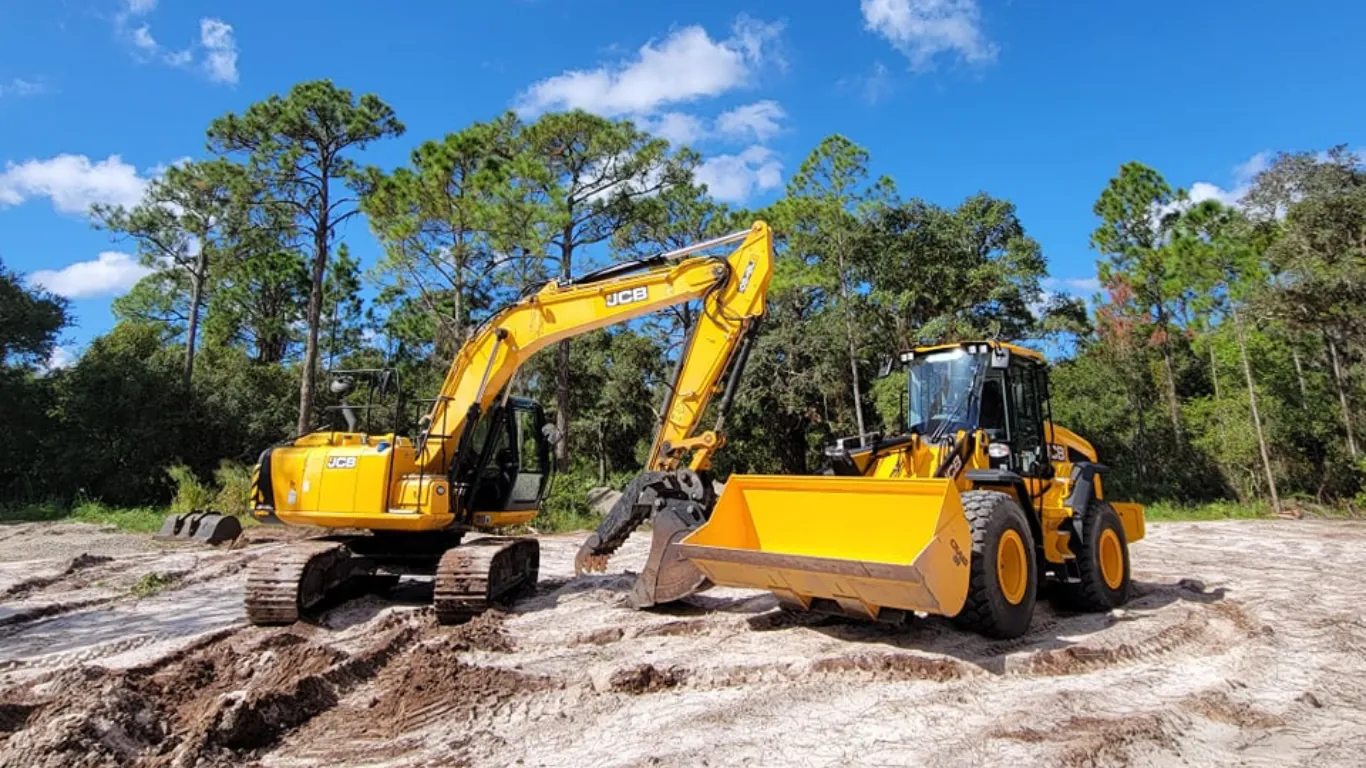
· Homeowner Guides
The tree industry has a low barrier to entry: a used truck, a chainsaw, a magnet sign, and someone's in business. Some of those operations do fine work. Some leave a trail of wrecked trees, wrecked roofs, and worse. After 23 years in this trade around Venice, here's exactly what we'd ask before letting any crew, including ours, touch a tree on our own property.
Not 'are you insured,' which anyone can answer yes to. Ask for certificates of general liability and workers compensation, and ask for them sent directly from the insurance agent, which is standard practice and takes minutes. Here's why it's non-negotiable: tree work is consistently ranked among the most dangerous jobs in the country. If someone from an uninsured crew is badly hurt in your tree, that can turn into a claim against you. The cheap quote stops being cheap at that exact moment. A legitimate company provides certificates without friction. Hesitation is your answer.
Some outfits sell the job and subcontract the labor to whoever's available that week. That's where accountability evaporates. Ask if the crew works for the company, who supervises, and whether the person quoting will be reachable during the job. When you call us, you're talking to the owner, and the crew that shows up is ours, on equipment we own. That's not a luxury, it's what accountability looks like in this trade.
The biggest source of tree service disputes isn't the price, it's what the price covered. Does removal include the stump? Is debris hauled or left at the curb? Is the lawn protected from equipment? Cleanup to what standard? Get the scope in writing with the number. Our post on tree removal cost breaks down why quotes vary so much, and a written scope is how you compare them honestly.
Ask whether the company has an ISA Certified Arborist involved, especially for trimming, because bad trimming is damage you pay for twice. Arborist certification means someone on the team studied how trees actually respond to cuts. It's also a decent proxy for whether a company treats this as a profession or a hustle. We keep an ISA Certified Arborist on staff and put credentials in writing for anyone who asks.
Once the quotes are in, put them side by side and normalize them before you look at the totals. For each one, write down: which trees exactly, stump grinding included or not, debris hauled or curbed, cleanup standard, timeline, insurance verified yes or no, and who's accountable if something breaks. Quotes that looked far apart usually converge once the columns are filled in, and the outlier that stays an outlier has now explained itself. Two more habits worth stealing: get the final scope in writing even if the quote started as a text thread, because memory is the enemy of good outcomes on both sides. And notice how the quoting process felt, because it's a preview. The company that showed up when it said, answered questions straight, and put things in writing will run the job the same way. The one that was hard to pin down during the sales conversation, when it wanted your money, will not improve after it has it.
The single strongest signal in this trade is time in the same market. A company that's worked the same county for decades has survived every kind of accountability a business can face: repeat customers, neighbor referrals, review history, and the long memory of small-town word of mouth. It has a reputation that took years to build and would cost real money to burn, which is exactly the incentive you want in someone working over your house. The storm-chaser model is the inverse: arrive after a disaster, work fast, leave before the complaints land, repeat two counties over. That's why the out-of-state truck offering a great price the week after a hurricane is a different risk than the local outfit quoting the same job, even at the same number. We've been in Venice for 23 years, a big share of our work is repeat and referral, and our reviews are attached to a name and a family that live here. That's not a sales line. It's collateral, and you should demand it from anyone you hire, including us.
Review pages are useful if you read them for the right things. Volume and age matter more than the average: a 4.8 across many reviews spread over years beats a perfect score from fifteen reviews posted the same month, which is its own kind of tell. Read the middle reviews, the threes and fours, because that's where honest customers describe the company's actual weak spots, and decide whether those weak spots matter to your job. Watch how the company answers criticism: a professional, specific response to a bad review tells you how a dispute with you would go; a defensive rant tells you the same thing. Check that reviewers describe your kind of work, since a hundred happy palm-trim customers say little about crane removals over a house. And cross-reference the company name against how long they claim to have been around; a '20 years of experience' claim attached to a review page that started eighteen months ago is worth one more question. Ten minutes of this reading, on top of the insurance certificates, filters out nearly everyone worth filtering.
Requirements differ by county and city, and by the type of work, so check what applies in your jurisdiction. Insurance, though, is universal: verify it every time, regardless of what licensing applies.
For any significant job, yes. Not to chase the lowest number, but because the spread between quotes teaches you what the job actually involves. Then compare written scopes, not just totals.
Sometimes the honest local guy is also the cheapest, sure. But when one quote is half the field, make it show you why: certificates, scope, references. If it can, great. It usually can't.
Document everything as it stands, stop the work if safety's in question, and get a second professional opinion on what's salvageable, both on the trees and the remaining scope. We do assessments on other companies' unfinished or botched work more often than you'd think, and the honest news is that most situations are recoverable, trees included. What the paper trail does is protect your position if money's in dispute. Then use this article's checklist on the next hire, including us.
Want a quote from a crew that hands over its paperwork before you ask? Request a free estimate or text 941-445-3027.
Buying a lot in Venice or North Port and planning to build? What site clearing involves, what it costs, and the mistakes that show up under the slab later.
It grows a foot a month, smothers everything native, and cutting it wrong makes it angrier. How to actually get rid of Brazilian pepper trees.
A leftover stump isn't neutral. It sprouts, attracts termites, wrecks mowers, and blocks replanting. What grinding costs and when to skip it.
Text 941-445-3027 and ask the owner directly. Free, no obligation estimates.