
Tree Roots vs. Your Driveway: What's Actually Happening Under There
Lifted pavers, cracked sidewalk, and the internet says roots are coming for your foundation. What roots really do, and the fixes that don't kill the tree.
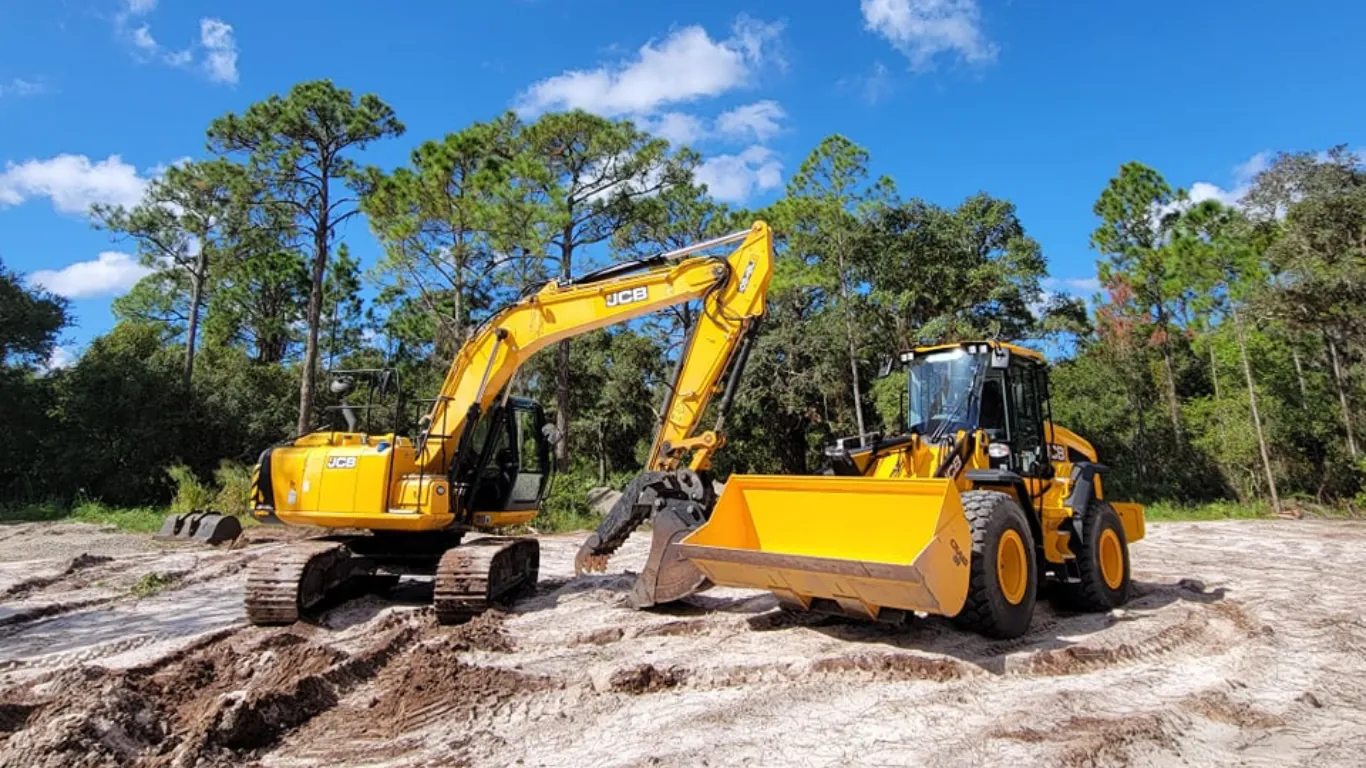
· Land Clearing
The Venice and North Port area is full of buildable lots that have sat under palmetto and pine for decades, and plenty of people are picking them up to build. Site clearing is the first real construction decision you'll make, and choices made in that week echo for the life of the house. Here's what the process involves, from a crew that's cleared a lot of them.
Clearing for construction isn't just removing what you can see. Under the future slab, driveway, and septic area, stumps and major roots have to come out, because buried organics decay over the years and the ground above them settles. That's how a lot cleared cheap becomes a slab crack a decade later. Our land clearing crews dig and remove stumps in the build envelope, and we're clear in the quote about which areas get dug versus mulched, because the difference matters and costs differently.
The best lots here come with mature live oaks and pines worth keeping, for shade, for looks, and for what they add to value. But keeping a tree through construction takes intent: flag keepers before the machines arrive, fence off root zones so equipment and material staging don't compact them, and plan the driveway route around the roots you're keeping. A tree that gets its root zone run over all summer often dies three years after the certificate of occupancy, long after anyone connects cause and effect. Significant trees may also be protected by local rules, so what stays and what goes should be settled with the jurisdiction before cutting. If a condition assessment is needed, our arborist letters cover it.
A lot of Southwest Florida lots are low, and building here usually means bringing the pad up. It pays to plan clearing, fill dirt, and grading as one sequence with one contractor where possible: the clearing spec affects how the fill sits, the grade plan affects which roots have to come out, and mobilizing heavy equipment once instead of twice is money in your pocket. We do both, which keeps the schedule and the responsibility in one place.
Walk the lot with us before you finalize the site plan and you'll get information that changes decisions. We're reading the vegetation for what it says about the ground: the plant communities on a parcel tell you where water stands before any wet season proves it, and that's worth knowing before the pad location is locked. We're inventorying the trees honestly, which keepers are genuinely healthy versus which big oaks are laurel oaks near the end of their runway, because building your house next to a keeper that fails in a decade is a plan nobody would choose on purpose. We're looking at access for construction traffic, at what the clearing will expose along property lines, and at how drainage will behave when vegetation stops soaking up what falls. Buyers who do this walk before closing sometimes learn things that change the offer. Owners who do it before the architect starts save themselves redesigns. It's free either way.
Clearing sits at the seam between you and your builder, and the seam is where scope gets dropped. Some builders include clearing in their contract, some carry an allowance that assumes an easy lot, and some leave it to the owner entirely. Find out which, in writing, before anyone mobilizes, and make sure both sides mean the same thing by 'cleared': to one contractor that's brush knocked down, to another it's stumps out, grade-ready, debris gone. The spec we put in writing for build-site work names the areas to be dug versus mulched, the finished condition, and what happens with the material, so your builder can sign off on it before the first machine arrives. When we hand a lot over, the goal is that the pad crew starts work the morning they arrive, with nothing to argue about. Boring handoffs are the sign of a well-run project. We specialize in boring handoffs.
Lot buyers consistently budget for the land and the house and treat everything between as a rounding error, and on Southwest Florida lots that in-between number is real money. Sequence it honestly: clearing, priced by the density and wetness realities this article covers; fill dirt, because plenty of local lots need serious material to bring a pad to grade, and truckloads add up; grading and compaction so what's built sits on ground that's done settling; and the follow-up items people forget, like maintaining the cleared state if the build slips a year, and repairing whatever construction traffic does to the parts you cleared nicely. A site walk early in the buying process converts most of those unknowns into numbers you can put in the spreadsheet before you're committed. We've had walk-throughs change what someone offered on a lot, and we've had them confirm a bargain was actually a bargain. Either way, the pattern that hurts is buying the land with the site-prep number imagined instead of quoted. Get the quote first. It's free, and spreadsheets prefer real numbers.
After your build plans are far enough along to know the footprint, driveway, and keeper trees, and after required approvals. Clearing before you know the site plan means paying twice.
Yes, regularly. Some owners have us clear before the builder takes over, others have the builder coordinate with us directly. Either works; just keep the scope in writing either way.
It depends on density, wetness, stump work, and disposal, which is why we walk every parcel first. Site walks are free, and our land clearing cost guide explains the variables.
After closing, always, but get the site walk and quote before, because that's when the information changes your negotiating position instead of just your budget. A quote in hand converts 'the lot needs some work' into a number you can weigh against the asking price. Walking a parcel you're under contract on is normal due diligence, and sellers expect it the way home buyers expect an inspection.
Watch your shared line: trees straddling it need both owners in the conversation, and drainage changes on a cleared lot can send water your way. A polite early chat with the owner or builder solves most of it. If a big tree on your side loses root zone to their work, get it assessed while the cause is documentable.
Bought a lot, or about to? Book a free site walk or text the parcel address to 941-445-3027. We'll tell you what you're looking at before you're committed.
Lifted pavers, cracked sidewalk, and the internet says roots are coming for your foundation. What roots really do, and the fixes that don't kill the tree.
Five questions that separate real tree companies from a guy with a chainsaw and a magnet sign. Insurance, credentials, and the quotes that should scare you.
It grows a foot a month, smothers everything native, and cutting it wrong makes it angrier. How to actually get rid of Brazilian pepper trees.
Text 941-445-3027 and ask the owner directly. Free, no obligation estimates.