
What Does Land Clearing Cost in Southwest Florida?
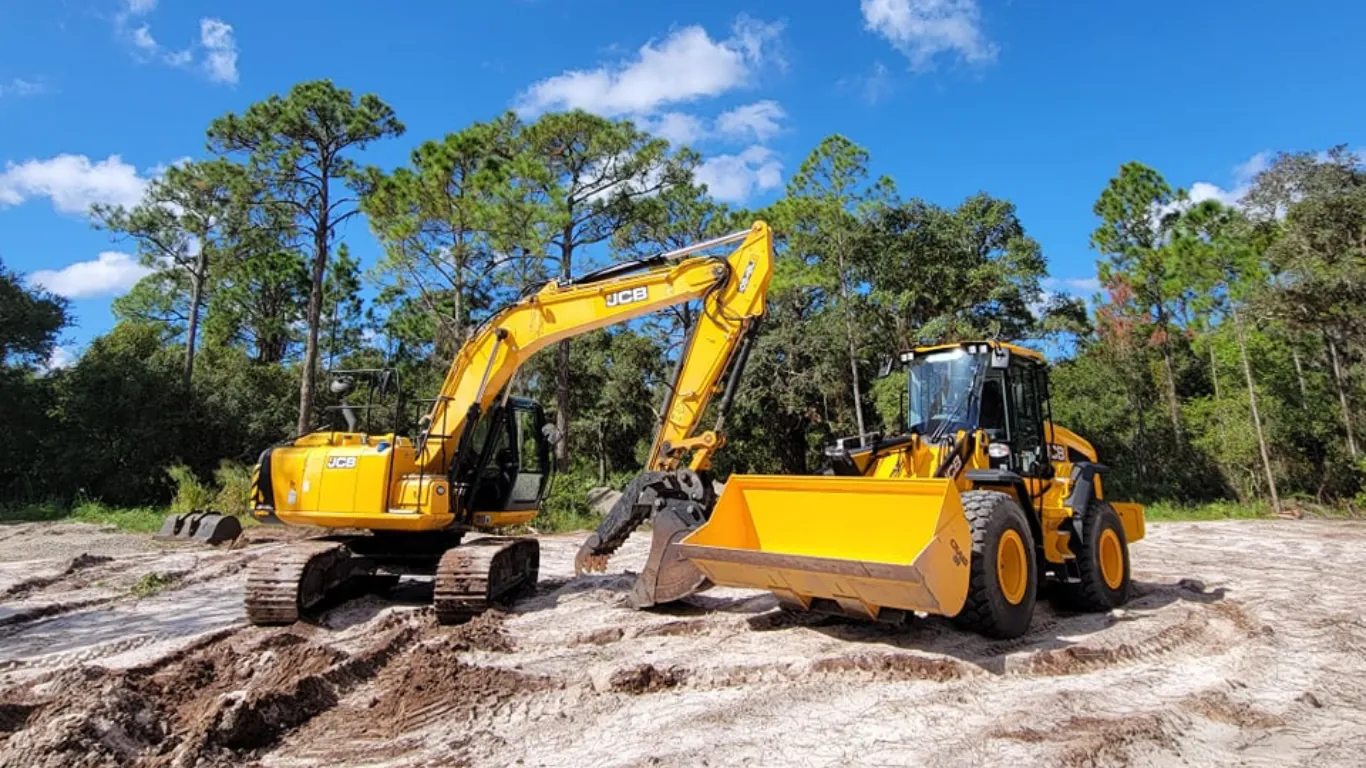
Land clearing pricing depends on density, terrain, disposal, and what the land is being cleared for.
· Tree Removal
Short answer: sometimes, and the only safe way to know is to check with your local government before the saw comes out. We're not going to summarize the local rules here, because they differ between jurisdictions, carry exemptions and exceptions, and get amended. What we can do is show you how to find your answer fast, and where we fit in.
Southwest Florida is a patchwork. The City of Venice has its own tree rules, Sarasota County has different ones for unincorporated areas, and North Port, Sarasota, and the counties south and north of us differ again. On top of that, rules often turn on specifics: the tree's trunk diameter, its species, whether it's dead or hazardous, and where it stands on the lot. A tree that's fine to remove on one street can require paperwork two miles away.
Around here, the HOA question matters as often as the government one. Many Venice-area communities require architectural or landscape approval before removing trees, separate from anything the city or county says. Getting government clearance and skipping the HOA can still earn you a fine from the board. If you're in a deed-restricted community, read your documents or ask the manager first.
We remove trees across these jurisdictions every week, so we know what the process feels like even though the rules are the government's to state. Two practical things we provide: honest guidance on where to ask, and written arborist letters documenting a tree's condition, which is a common requirement when a removal needs sign-off from a city, county, insurer, or HOA. And a flag worth keeping: a crew that says 'don't worry about permits' on a big healthy oak is taking a risk on your property, not theirs. Fines for unpermitted removal typically land on the property owner, not the crew.
When a removal needs sign-off, the request that comes back is often for professional documentation of the tree's condition, and that's what an arborist letter is. Ours are written by our ISA Certified Arborist after an on-site assessment and cover the specifics a reviewer wants: species, size, location on the lot, observed condition and defects, photographs, and a professional conclusion about the tree's health or hazard status. That letter travels: the same document can serve a city or county file, an HOA architectural committee, and an insurance conversation. It also protects you. If a tree you removed properly ever becomes a question later, a dated professional assessment in your records answers it. The letter is a small line item next to a removal, and it's the difference between 'we say the tree was failing' and 'a certified arborist documented that it was.'
Homeowners hear 'permit' and picture months of bureaucracy. The reality, most of the time, is far less dramatic: a question or two answered, sometimes a form, sometimes documentation of condition, occasionally a fee, and often a same-week answer. Dead and hazardous trees frequently move through faster paths than healthy ones, because jurisdictions understand that a hazard shouldn't wait on paperwork. Where the process genuinely slows down is with large, healthy, protected trees being removed for convenience or construction, and honestly, that's the process working as designed: those rules exist because mature canopy is part of why this area looks the way it does. Our practical advice hasn't changed in 23 years: ask first, in writing where you can, and build the timeline into your plans instead of discovering it mid-project. The homeowners who get burned are almost never the ones who asked. They're the ones who let a crew talk them out of asking.
Three situations deserve extra care on the tree-rules front. Buying a lot to build: the mature trees on it may constrain the site plan more than the setbacks do, so find out what's protected before you finalize the design, not after the architect has the oak in the middle of the garage. Our site walks flag exactly this. Selling a home: a removal done without required approval can surface later, so keep documentation of any significant removal, including the arborist letter and whatever sign-off applied. The paper trail is cheap insurance for a closing. Renovating: pool, addition, and driveway projects often trigger tree questions inside the building permit itself, and the general contractor's plan may casually assume a removal that needs its own approval. Ask the specific question early. In all three cases the pattern is the same: tree rules are easiest to satisfy when they're part of the plan and most expensive when they're a surprise, and the person who asks first holds the good position.
Some jurisdictions pair removal approval with replanting or mitigation expectations, which is worth knowing before you're surprised by it and honestly worth embracing anyway. If a big tree comes out, the property usually wants something growing in its place, and choosing that replacement well is how you avoid rereading this article in twenty years: the right species, at the right mature size, the right distance from slab, pool cage, and lines. Native shade trees planted with room to become themselves are the long game that makes a lot the neighbors envy. We're glad to recommend what actually thrives here versus what the big-box garden section is selling this month, and planting advice comes free with removal work. Taking a tree out and putting the right tree in are, to us, halves of the same job.
Many jurisdictions treat dead and hazard trees differently, and some want documentation of the condition rather than a full permit. That's exactly what an arborist letter is for. Confirm the specifics with your local office.
Species distinctions are common in these rules, and palms are often treated differently from hardwoods. Again, it varies by jurisdiction, so ask about your specific tree.
We'll tell you what we've seen work, point you at the right office, and supply any condition documentation you need. The approval itself has to come from the authority, and we don't cut significant trees without it sorted.
Enforcement typically lands on the property owner, which is exactly why 'don't worry about it' from a contractor should end the conversation. The crew drives away; you own the lot the tree used to stand on. A company that treats approvals as your protection rather than your inconvenience is the one to hire.
Planning a removal and not sure what applies? Ask us first or text 941-445-3027. Five minutes now beats a fine later.
Land clearing pricing depends on density, terrain, disposal, and what the land is being cleared for.
Stripping palms to a few upright fronds doesn't protect them in a storm. It starves them, weakens them, and shortens their lives.
What actually drives tree removal pricing in Venice: size, access, condition, and what's underneath it. And why the cheapest quote is often the expensive one.
Text 941-445-3027 and ask the owner directly. Free, no obligation estimates.