
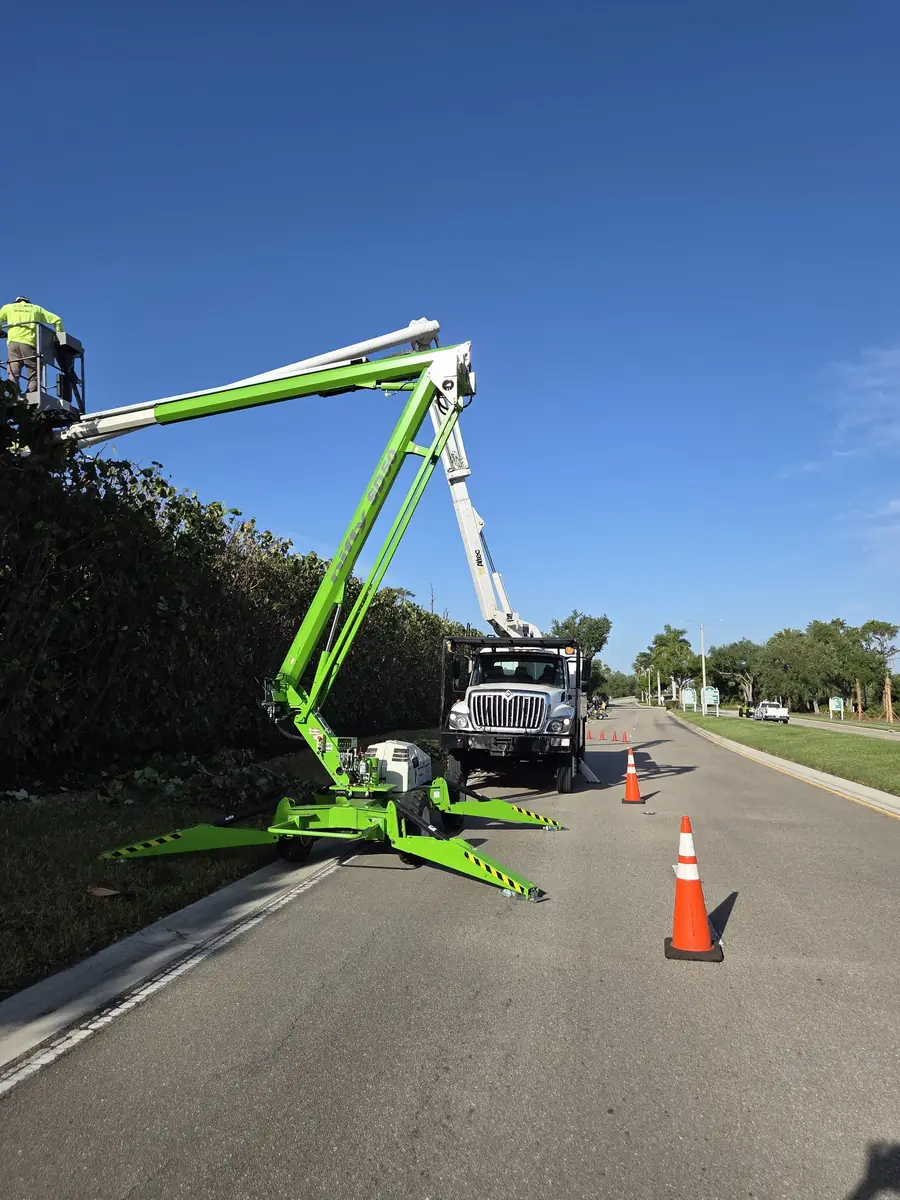
Tree Trimming & Removal
Safe removal of hazardous trees plus maintenance trimming that keeps a canopy healthy, handled by an ISA Certified Arborist and an insured crew.
See Tree Trim & Removal →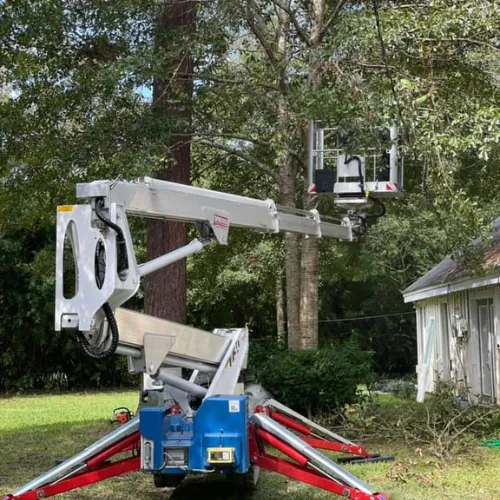
An ISA Certified Arborist inspects the tree, documents the risk and writes the letter your HOA or your city needs before a hazardous tree comes down.
Some trees are an obvious problem. A live oak leaning over a bedroom. A pine with a split down the trunk. A palm that lost its root plate in the last storm. Seeing the risk is the easy part. Proving it to the person who has to sign off is where people get stuck.
That's what an arborist letter is for. Our ISA Certified Arborist comes out, inspects the tree on site, works through a formal risk assessment, and puts the findings in writing. You end up with a document you can hand to an HOA board, a property manager, a city or county reviewer, or an insurance adjuster.
We have worked in Sarasota, Charlotte and Manatee Counties for 23 years, so we know how the local review process actually runs. If the tree has to come down, our crews can handle that too. If it can be kept with the right pruning, we will tell you that instead.
An arborist letter is a written opinion from a certified arborist about the condition of a specific tree and the risk it presents. It isn't a form letter. It follows an inspection of that tree, on that property, on a stated date.
Boards and permit offices ask for one because it moves the decision off of opinion and onto a professional record. It also protects you. If a tree comes down on a roof after a board said no, the paperwork matters.
There is a state law on this, section 163.045 of the Florida Statutes. In plain terms, a local government cannot require a notice, an application, an approval, a permit, a fee or mitigation before you prune, trim or remove a tree on residential property, if you have documentation from an ISA certified arborist or a Florida licensed landscape architect that the tree poses an unacceptable risk to people or property. It also says the local government cannot make you replant that tree.
The details matter, so read them carefully. The law is written for residential property, which it defines as a single family detached building on a lot actively used for single family residential purposes. The documentation has to come from an onsite assessment done under the ISA Best Management Practices for Tree Risk Assessment, second edition, and it has to be signed by the arborist or the landscape architect. And the tree has to genuinely rate as an unacceptable risk, which the statute ties to removal being the only practical way to bring that risk below moderate.
It doesn't cover everything either. Mangrove protection is carved out and stays under separate state rules. The statute limits what local governments can require. It doesn't rewrite a private deed restriction or an association covenant on its own, and nothing here is a promise that a given tree qualifies. We won't tell you it does until our arborist has stood under it. This is general information about a state statute, not legal advice.
We schedule a visit, look at the tree from the ground and from above where the canopy calls for it, and check the things that actually drive failure. Root plate, trunk, unions, decay, lean, past storm damage, and what sits underneath.
Then we write it up. If the tree rates low risk and can stay, that's what the letter says. We would rather lose the removal than put our arborist credential on a document that doesn't hold up.
Most of these calls sound the same. Somebody already knows the tree is dangerous and needs a professional to say so on paper.
We also get called by HOA and condo boards who want an outside opinion before they approve or deny a resident request, and by managers with a common area tree nobody wants to be responsible for.
A lot of tree companies will quote you a removal. Far fewer have an ISA Certified Arborist on staff who can assess the tree and stand behind the assessment in writing.
We have been doing this in the same three counties for 23 years, and we have worked storms from Charley through Irma and Ida. We know which trees fail here and why, and we know how the local boards and permit desks want things presented.
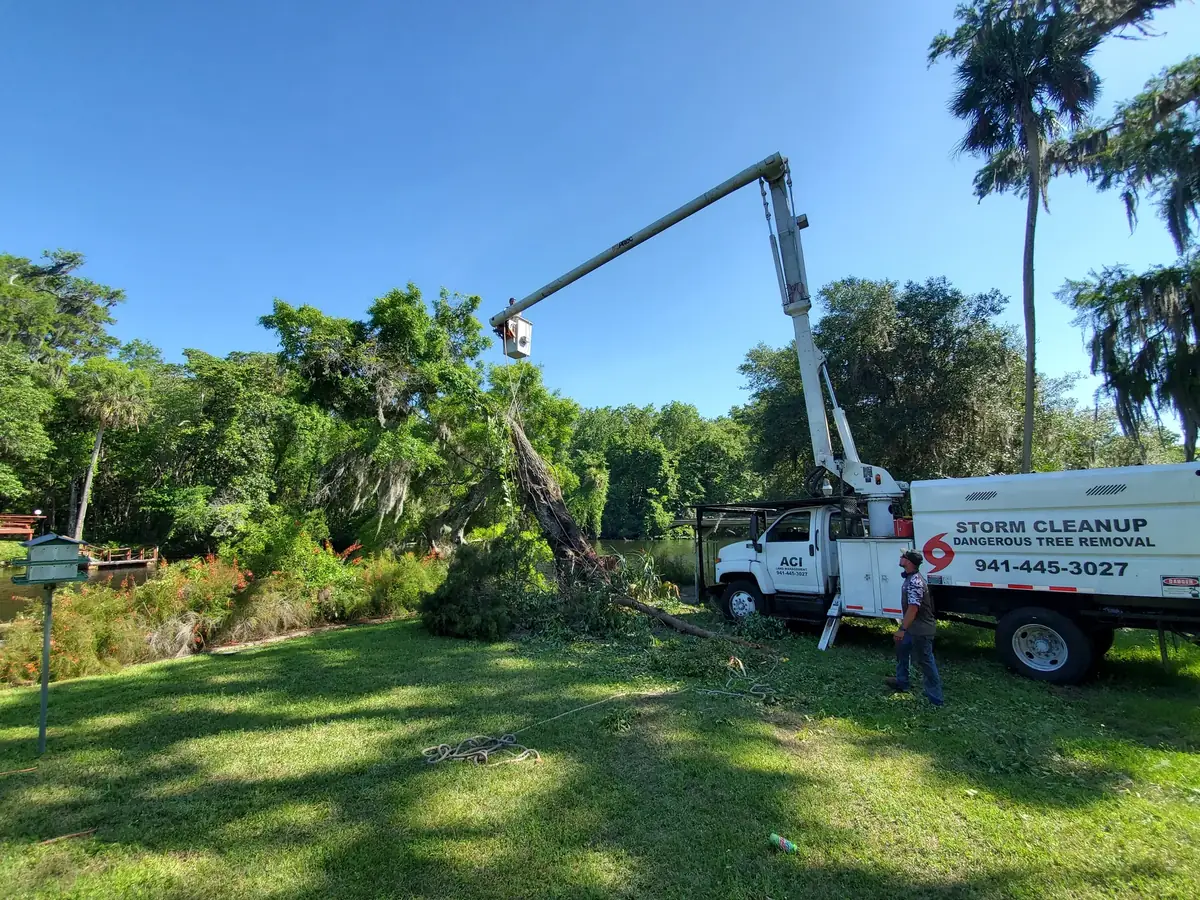
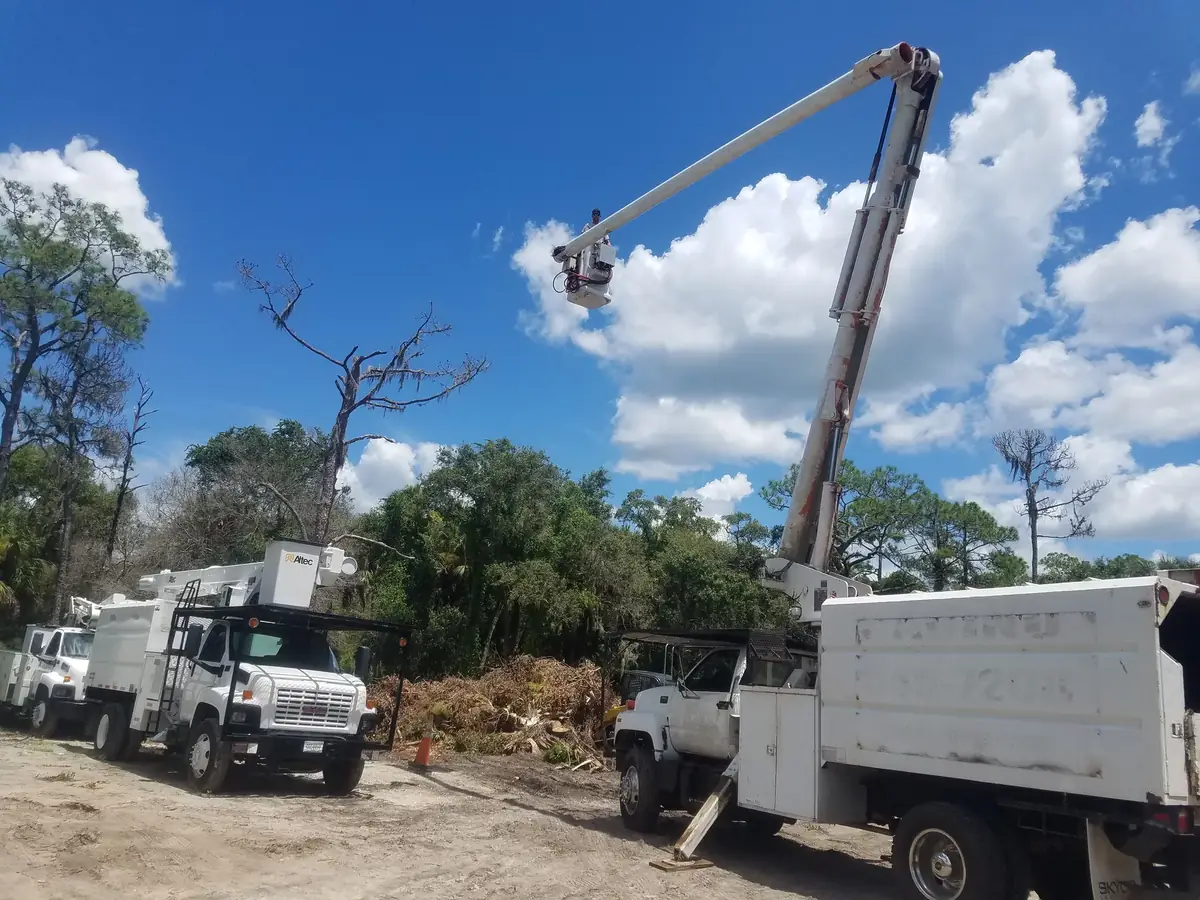
Every photo on this page is an ACI job. No stock images.
No, and be careful with anyone who tells you otherwise. The state law limits what a local government can require on residential property when you hold qualifying documentation, but the tree has to actually rate as an unacceptable risk, and private covenants are a separate matter. We tell you what we find, not what you want to hear.
Yes. That's one of the most common reasons people call us. We inspect the tree and write up what we find. A documented professional assessment gives a board something concrete to act on instead of a back and forth between neighbors. We can't make the decision for them, but it changes the conversation.
The permit exemption in the statute is written narrowly for a single family detached building on a lot used for single family residential purposes. Condo, commercial and common area properties do not get that same exemption, so the local tree ordinance is what governs there. An assessment is still worth having on any property, because boards, insurers and permit offices all want a professional opinion on record. Ask us and we'll tell you where you stand.
Then the letter says the tree is fine, and we'll explain what we saw. Sometimes the fix is a pruning cut, not a stump. We'll give you that recommendation instead. Our name is on the assessment, so it has to be accurate.
Often, yes. A documented assessment helps with an insurance claim and with any permit question that follows. If the tree is an immediate danger, call us first. We run emergency service around the clock and we can make the situation safe before the paperwork starts.
Yes. We assess, we write it up, and our crews do the work. They show up in uniform, in clean lettered trucks, and they clean up before they leave. Estimates are free with no obligation, so tell us what you are dealing with and we will lay out the steps.
Safe removal of hazardous trees plus maintenance trimming that keeps a canopy healthy, handled by an ISA Certified Arborist and an insured crew.
See Tree Trim & Removal →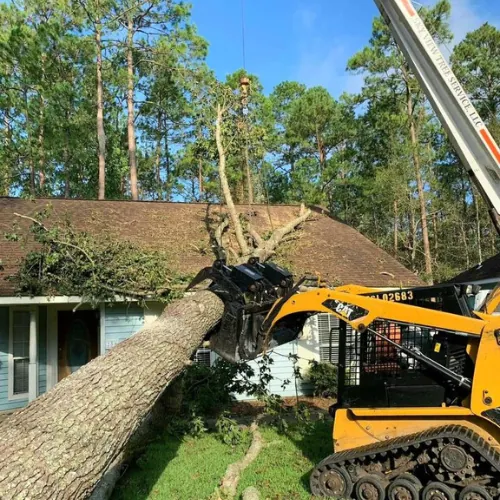
Storm damage crews for trees on houses, dangerous removals and emergency roof tarping, available 24 hours a day across Sarasota, Charlotte and Manatee Counties.
See Emergency Tree Work →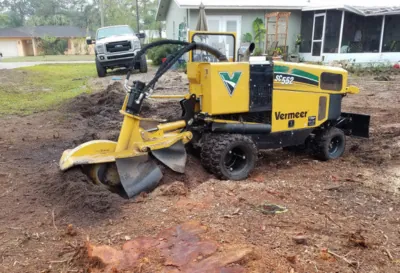
One stump or hundreds, any species, ground out clean with our own turbo diesel machine anywhere from Sarasota to Punta Gorda.
See Stump Grinding →Free, no obligation estimates. 24/7 emergency service.