
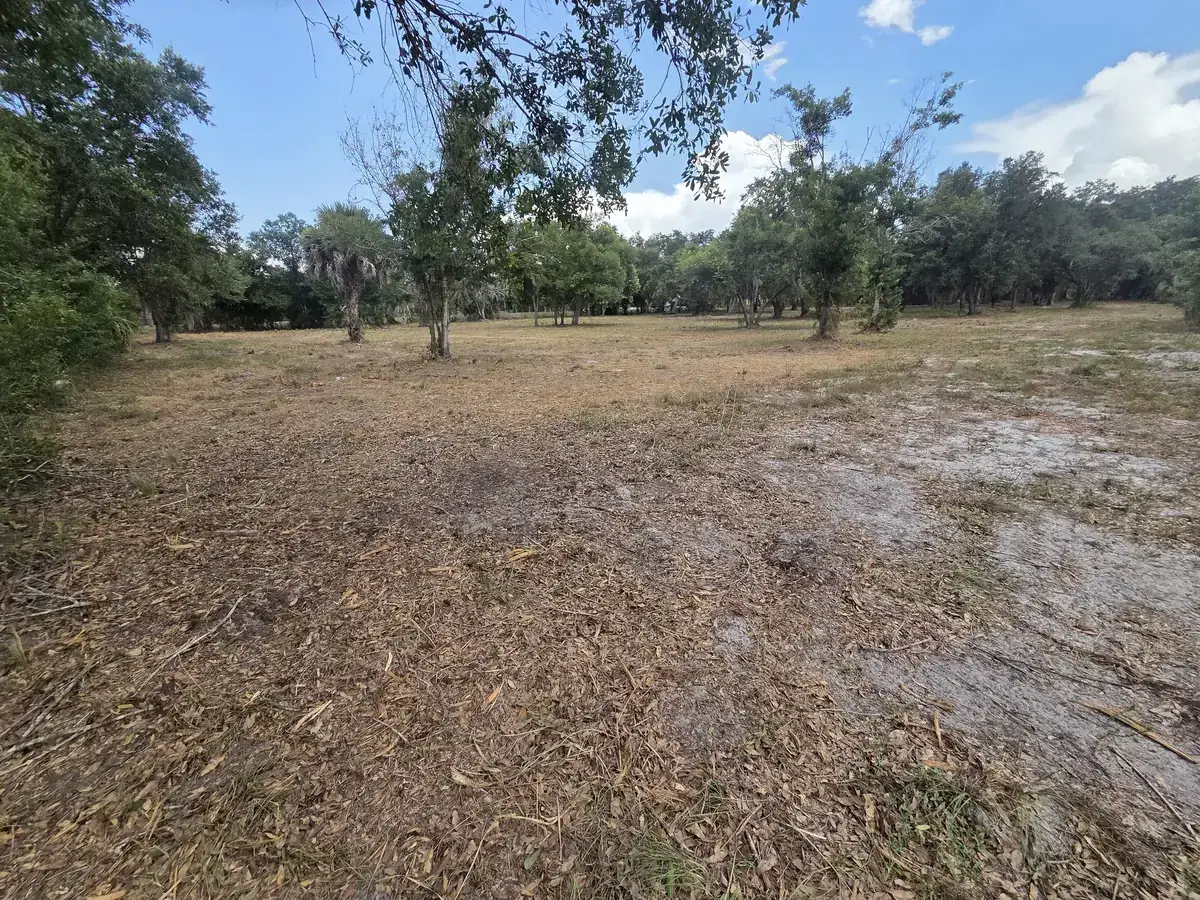
Forestry Mulching
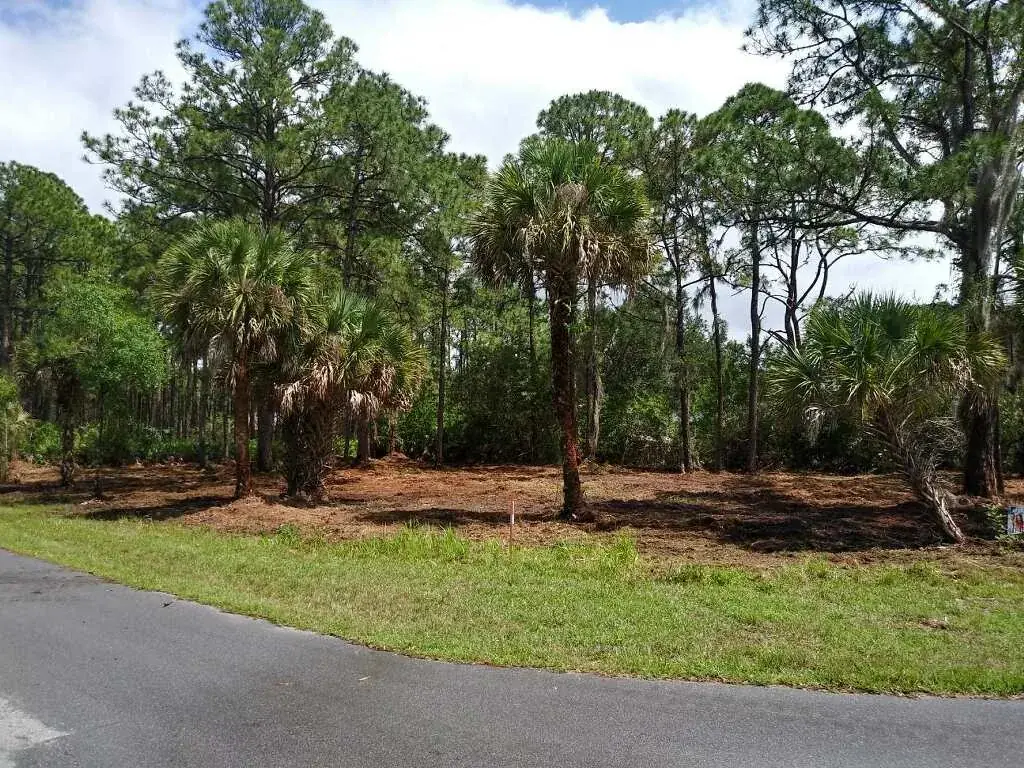
We grind palmetto, underbrush and especially the extremely invasive Brazilian Pepper in place, leaving your mature native trees standing and the ground open and walkable.
See Forestry Mulching →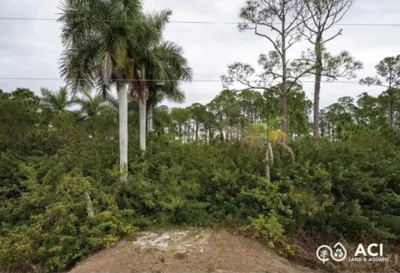
One time removal of Brazilian pepper, Australian pine and other listed invasive species by mulching, hand cutting or selective herbicide treatment.
Brazilian pepper takes over fast. A bird drops a seed at the edge of a preserve, and a few seasons later there's a wall of it shading out the oaks and cabbage palms that were there first. The stand in your back corner needs removal. ACI has worked Sarasota, Charlotte and Manatee Counties for 23 years.
We treat invasive removal as one job with an end to it. We walk the site, work out which species you actually have, and pick the method that fits the ground and the budget. Sometimes that's a mulching machine grinding a thicket down in an afternoon. Sometimes it's a crew with chainsaws working carefully around the plants you want to keep. Often it's both, with the cut stumps treated so the whole thing doesn't come straight back.
Adam Pablo has run ACI for 23 years, working Sarasota, Charlotte and Manatee Counties.
Brazilian pepper, Schinus terebinthifolia, carries a Category I rating from the Florida Invasive Species Council. Category I is the more serious of the two categories FISC uses. It means the plant isn't just growing where it doesn't belong, it's changing the plant community around it. It shades out native seedlings, forms a canopy dense enough to hold back what grows under it, and spreads by seed every time a bird works the berries.
There's a practical side too. It's in the same plant family as poison ivy, and the sap bothers some people on contact or when it gets burned. Dense stands hide fence lines, block drainage swales, and leave you nowhere to walk on your own property.
The right method depends on how thick the growth is, what's around it, and what you want the ground to look like afterward. We'll tell you which one makes sense when we walk the site, and we'll tell you if two of them together is the cheaper answer.
Brazilian pepper gets the attention, but it rarely shows up alone. Sarasota, Charlotte and Manatee Counties properties often carry several of these at once, and the Florida Invasive Species Council rates all of them Category I.
A cut stump will resprout if nobody treats it, and seed already in the soil comes up whether the parent plant is gone or not. That's why the removal and the follow up are the same conversation. We treat stumps as we cut, and on a heavy stand we'll tell you honestly to expect a walk through in the first year to catch what returns.
If your property is a preserve tract, a lake bank or an HOA common area that has to stay clean year after year, a one time removal is the wrong tool. Ask us about lake and preserve management instead. That's a scheduled contract rather than a single visit, and a large portion of that work is multi year repeat business for us.
Invasive removal is one of those jobs where the wrong crew leaves you worse off. Ripped up banks, natives taken out along with the pepper, chemical put down by somebody with no license, or a pile of debris sitting on your lot for a month. We do it the other way.
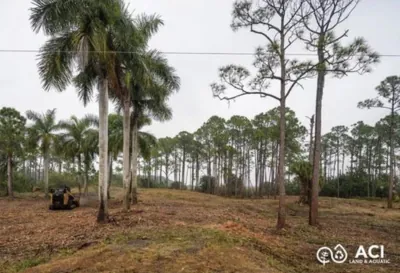
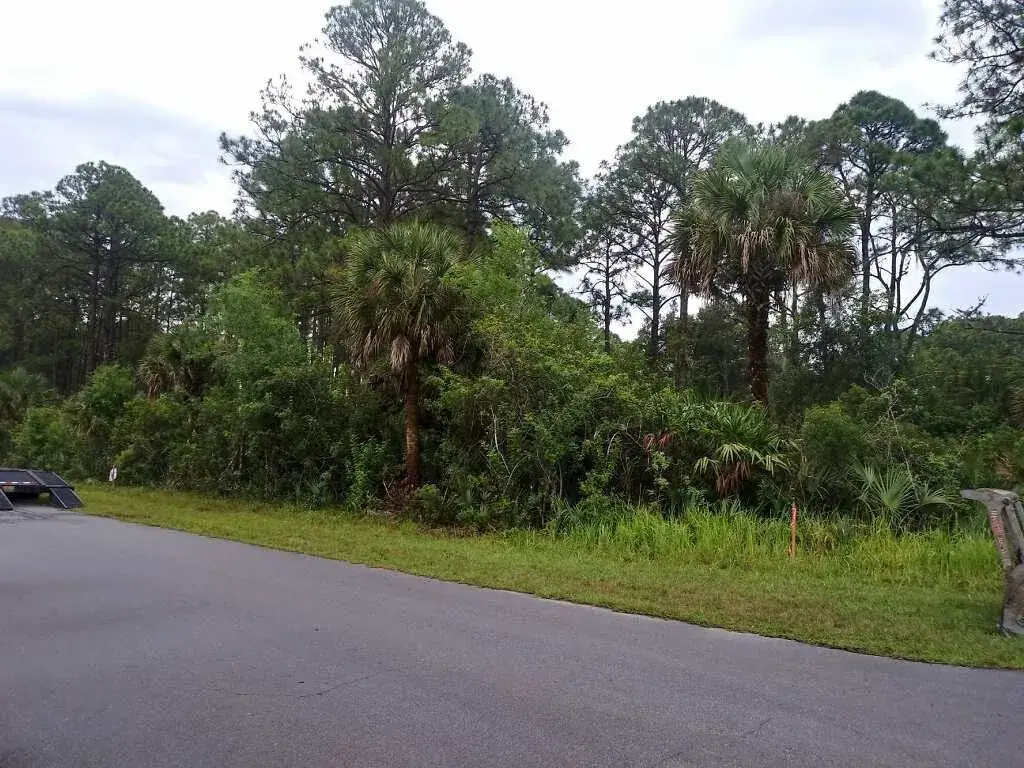
The state answers that one, not us. The Florida Department of Agriculture keeps the Florida noxious weed list. Our part is getting it out: mulching, hand cutting or selective herbicide.
A stump that's only cut will resprout, and seed sitting in the soil can still germinate. We treat the cut stumps as part of the job. On a heavy stand, plan on a follow up walk through in the first year to knock down anything that returns.
We use it selectively, applied to the plant we're killing rather than broadcast across the area. ACI holds a State Licensed Aquatic Herbicide Applicator license, which is the one that matters when the work sits at a lake bank or in a preserve with standing water.
Usually yes. Mulching grinds the material down and leaves it on the ground as cover, so there's no debris to load out and no dump fees. Hand removal makes more sense on small counts, in tight spots near a house, or where we need room to work around a tree you're keeping.
Less than most people expect. We flag what you want protected before anything starts, we keep the machines to the work area, and the site gets cleaned up before we pull out.
Yes. Board and manager work is a big part of what we do, and a large portion of it is repeat business year after year. If your community has preserve or common area language you have to satisfy, send it over and we'll scope the work to it.
We grind palmetto, underbrush and especially the extremely invasive Brazilian Pepper in place, leaving your mature native trees standing and the ground open and walkable.
See Forestry Mulching →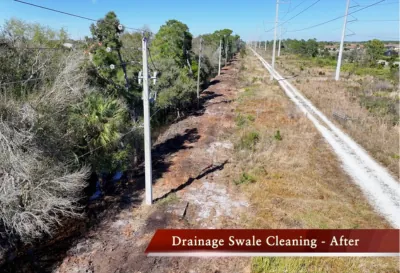
Monthly lake and pond care with quarterly preserve inspections, built to control invasive plants and keep your stormwater system working.
See Lake & Preserve →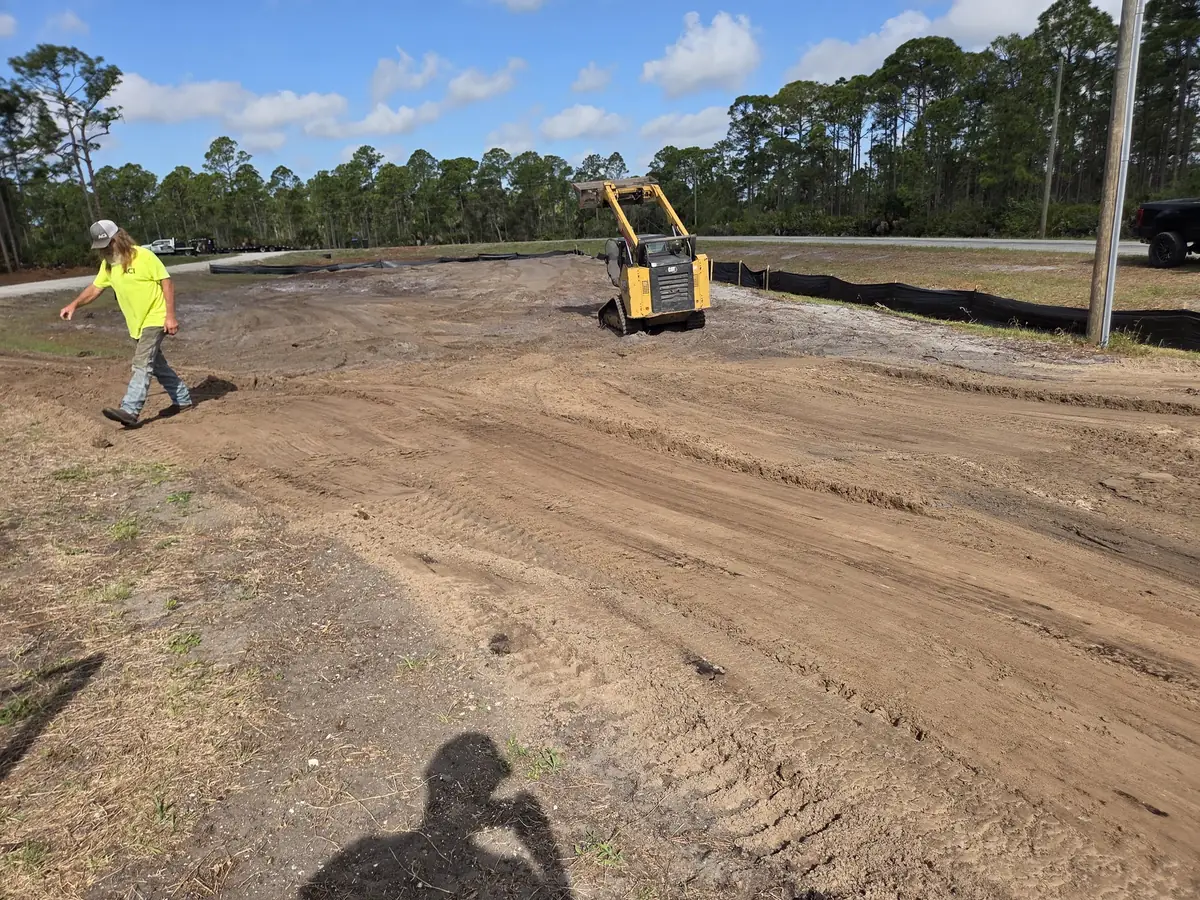
Complete lot clearing with excavator and root rake, plus fill dirt delivered and compacted for a house pad. No deposit and no long wait.
See Land Clearing →Free, no obligation estimates. 24/7 emergency service.