
How to Get Your Trees Ready for Hurricane Season in Venice, FL
The tree that wrecks a house in a hurricane usually showed warning signs in July.
· Invasive Removal
"Can we just pull it out, or does it have to be sprayed?" That's the first thing most people ask when we walk a yard in Venice or North Port with a vine climbing the fence and a pepper thicket filling the back corner. Nobody wants chemical near the dog or the pond if gloves would do. Sometimes they do. Sometimes pulling makes the patch bigger by spring. Which one you've got depends on the plant, how old it is, and what it's growing in.
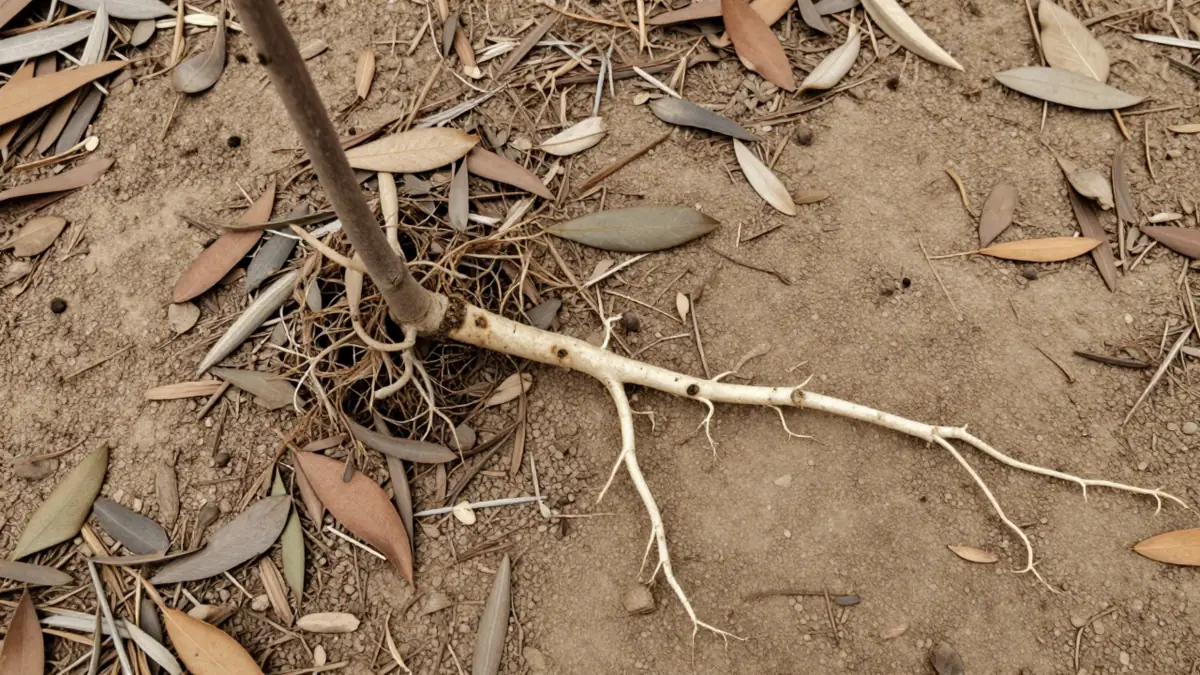
Every invasive falls into one of two groups. The first group grows from one crown or one taproot. Pull the whole plant, root and all, and it's gone. The second group spreads through underground runners, tubers or stem fragments. Pull it and you leave pieces behind, and every piece is a new plant. Hand removal is enough for the first group while the plants are small. For the second group it's a way of making work for yourself.
Then there's the seed bank. A plant that's fruited on your lot for a few years has already dropped seed into the soil, and pulling the parent doesn't touch it. Expect seedlings after any removal and catch them while they're small.
Three situations turn hand removal into a bigger bill later.
First, cutting a mature woody invasive without treating the stump. A Brazilian pepper cut at the base comes back as a shrub with six stems instead of one tree with one. We see it constantly on lots a lawn crew hacked down the year before. The Brazilian pepper removal guide goes through that resprout cycle in detail.
Second, digging or tilling runner grasses. Cogongrass and torpedograss fragments ride on shovels, tires and mower decks. A tiller turns one patch into a whole lawn of them.
Third, pulling on a slope or bank. A mature root mass holds soil. Rip it out on a pond bank or a canal edge and the next heavy rain carries the bank into the water. That's one of the places where killing the plant standing and letting it break down in place protects the ground.
When people picture spraying, they picture somebody walking the yard with a tank and fogging everything green. That's broadcast spraying, and it isn't what selective treatment means. Selective means the product goes on the target plant and nothing else. A few common ways that's done:
Done carefully, none of these touch the plants you're keeping. The skill is knowing which natives are tangled up with the invasive and picking the method that reaches the roots. Near water it matters more, which is why Aquatic Consulting, Inc. (the A in ACI) holds a State Licensed Aquatic Herbicide Applicator license for lake bank and preserve work.
Dry season makes this work easier in Southwest Florida. Water levels drop, so pond edges, ditches and low spots in Nokomis, Osprey and Myakka City can be reached on foot or by machine without tearing up wet ground. The summer flush is over, so you can see what you've got instead of a green wall.
It's also timing on specific plants. Brazilian pepper carries its red berries through the winter, and every bird that eats them spreads it. Taking a stand out before the berries get worked over keeps the next crop of seedlings down. Air potato vines die back in the cooler months and drop their bulbs, which makes it the season to walk the ground and pick them up.
If you've got a handful of pepper seedlings, a few melaleuca sprouts, or air potato bulbs scattered under a hedge, you can handle it yourself.
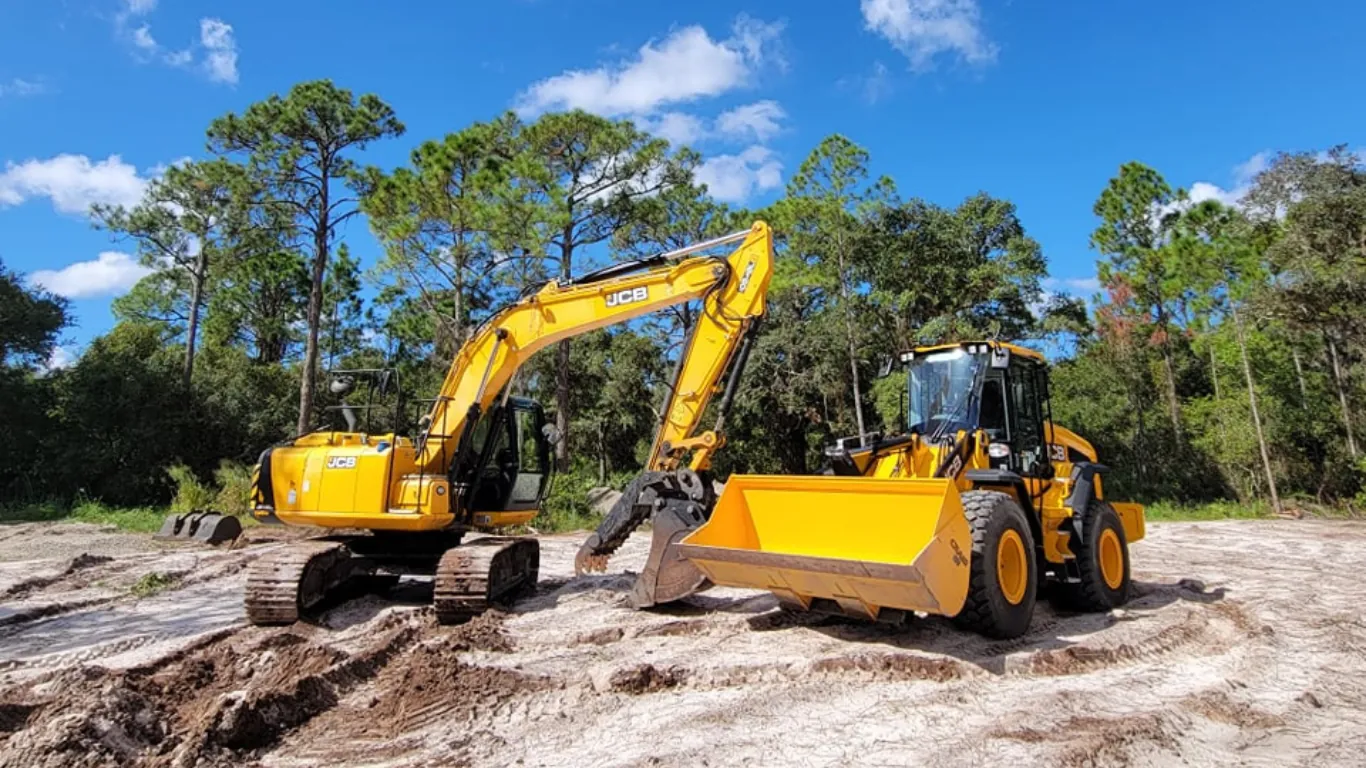
Once there's a trunk, a runner grass, a stand bigger than a weekend, or anything at the water's edge, it's time for someone with the right tools. A good visit starts with a walk of the property to identify each species, then a plan that mixes methods. Hand removal makes more sense on small counts, in tight spots near a house, or around natives we need to protect. A thick lot often goes faster with forestry mulching to grind the thicket, followed by cut stump treatment on anything that would resprout.
Our invasive plant removal service covers all three methods, and an ISA Certified Arborist on staff flags the trees worth keeping before anything gets cut.
For seedlings and small plants that grow from a single root, yes, as long as you get the whole root and come back for new seedlings. For anything with a trunk, tubers or underground runners, manual removal alone usually leads to regrowth.
Applied to the target plant by someone licensed for aquatic work, it's the standard approach at the water. The risk comes from broadcast spraying and from products that aren't meant for use near water. Along a shoreline, ask whether the crew holds an aquatic applicator license.
Because the stump wasn't treated. The roots are still alive, and they push up several new stems in place of the one you cut. Cut stump treatment right after the cut is what stops it.
Not usually. Seed keeps arriving from birds and neighboring lots, so preserves and common areas stay clean with scheduled visits. That's what lake and preserve management contracts are for.
Not sure what's growing on your lot? Snap a few photos, leaves and base both, and text them to 941-445-3027. We'll tell you what it is and whether it's a pull-it-yourself job or one for our crew.
The tree that wrecks a house in a hurricane usually showed warning signs in July.
National advice says prune when the tree is dormant. Our oaks never fully go dormant. The real timing window, the June 1 deadline, and how much can come off.
Lifted pavers, cracked sidewalk, and the internet says roots are coming for your foundation. What roots really do, and the fixes that don't kill the tree.
Text 941-445-3027 and ask the owner directly. Free, no obligation estimates.