
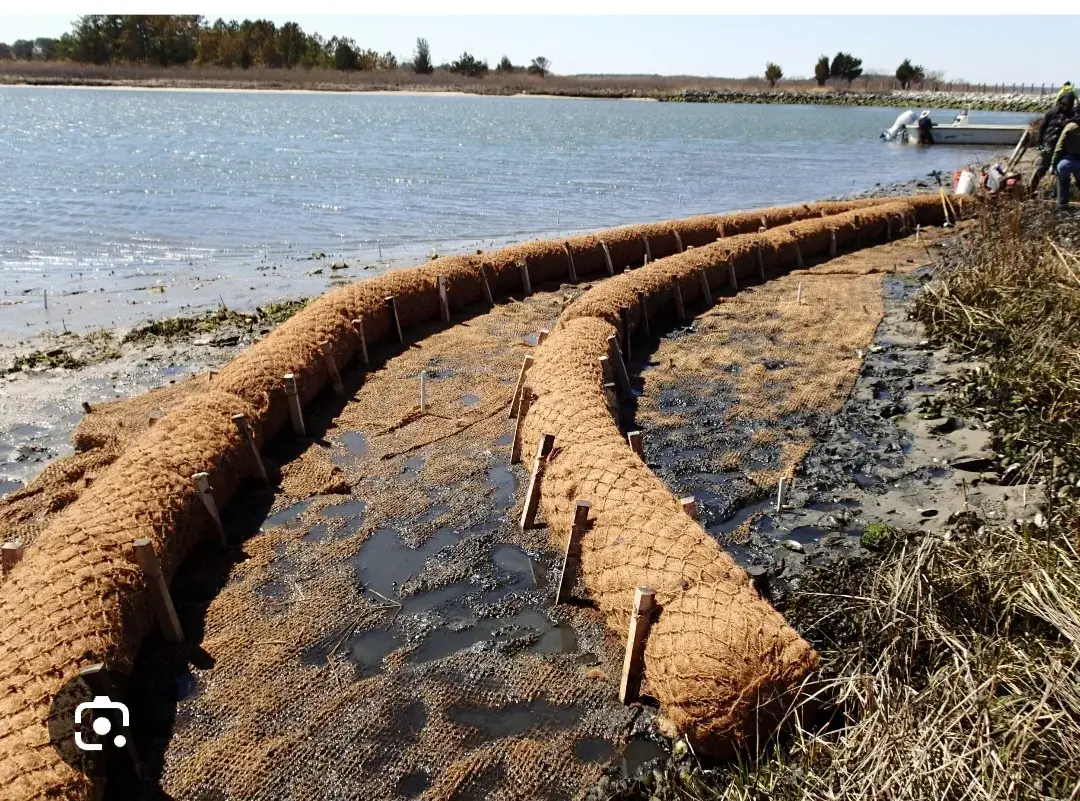
Lake Bank Restoration & Erosion Repair
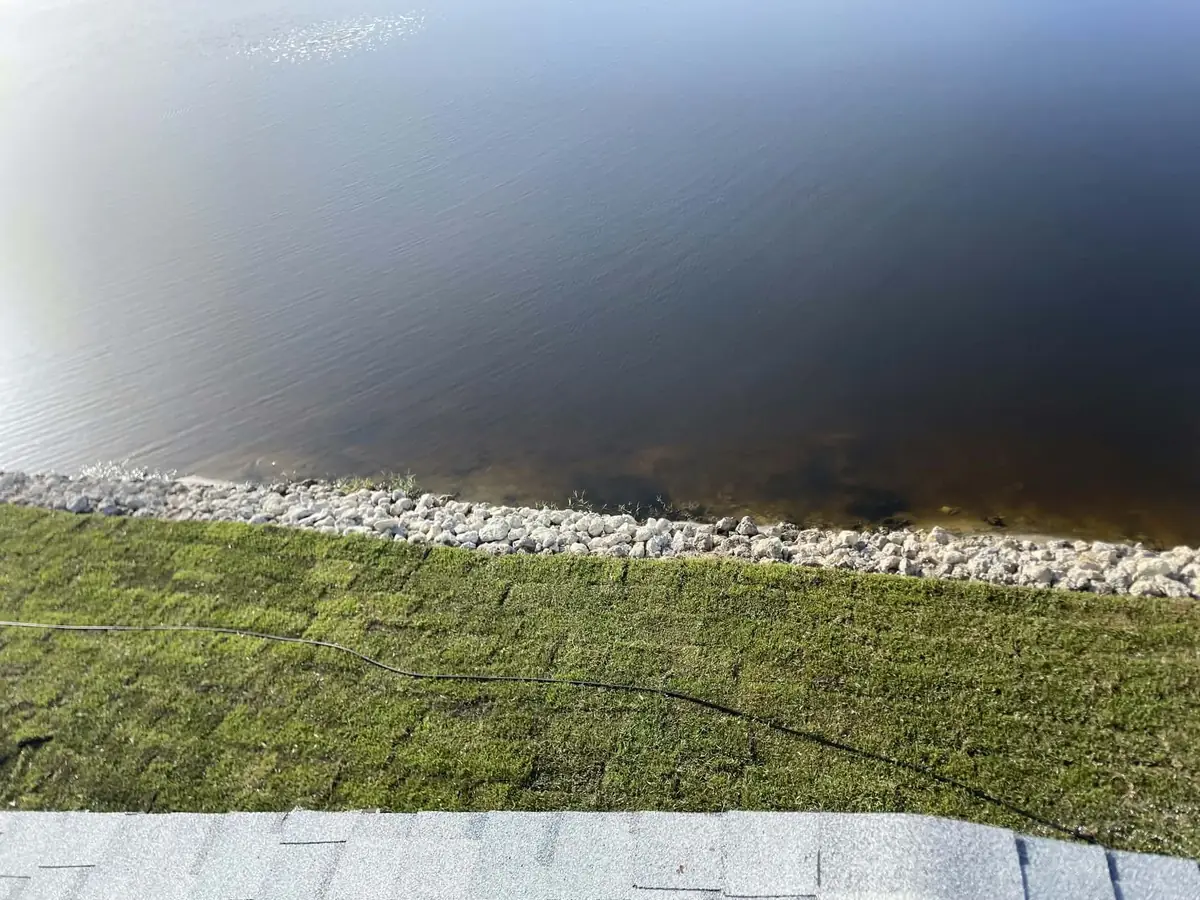
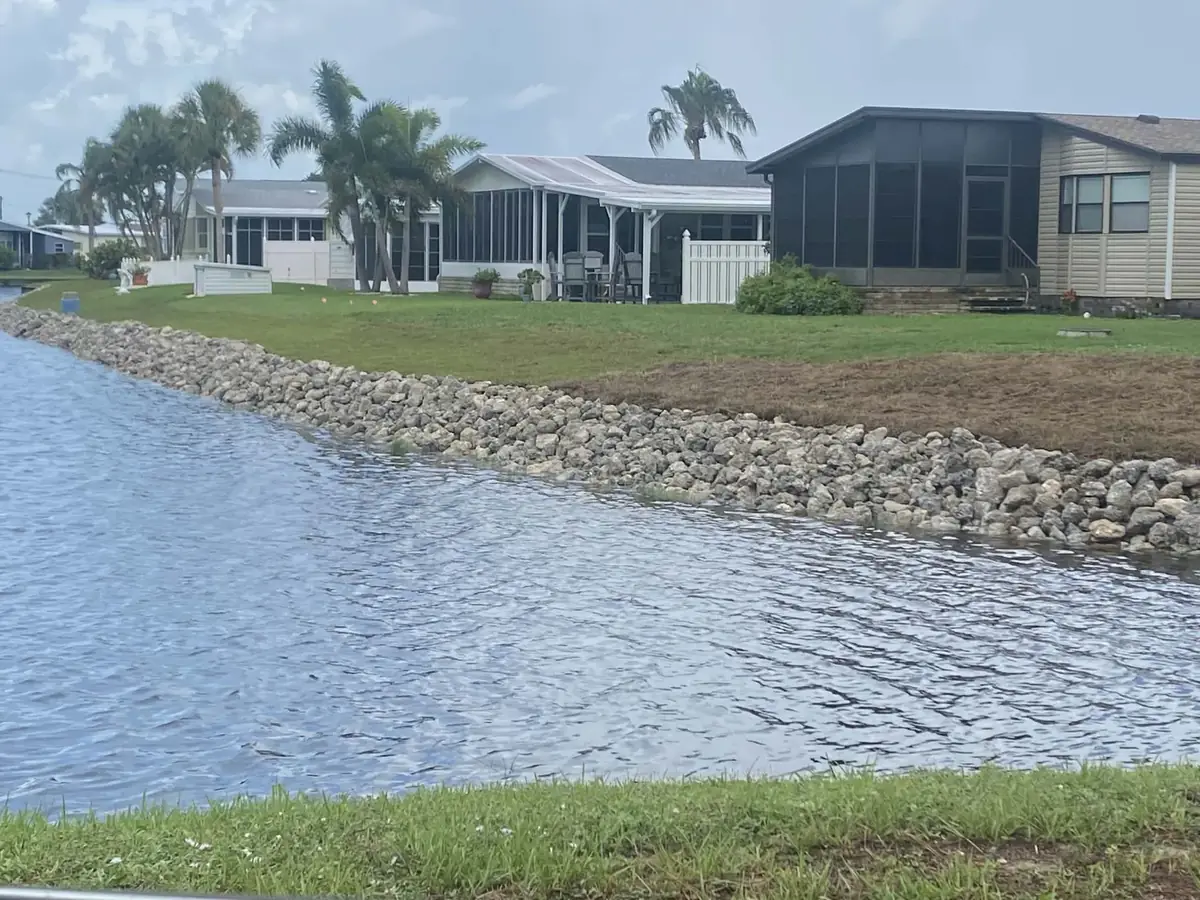
ACI rebuilds eroded retention pond and lake banks with regrading, rip rap, coir logs and the PondTech plank system, priced by the linear foot.
See Lake Bank Restoration →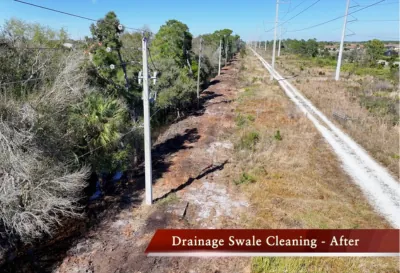
Monthly lake and pond care with quarterly preserve inspections, built to control invasive plants and keep your stormwater system working.
Monthly lake treatment and quarterly preserve inspections for Sarasota HOAs, CDDs and golf courses. Licensed applicator. We cover 34231, 34232, 34233 and the rest of Sarasota. ACI has worked Sarasota County for 23 years, out of Venice. Free estimates, no obligation, and someone answers 24 hours a day. Text 941-445-3027.
The communities built inland of Sarasota over the last forty years came with paperwork attached: permit documents for the ponds and, usually, a resource management plan for the preserve and wetland areas. Boards often have no idea what those documents say until something goes wrong.
We run that schedule. Lakes and retention ponds get inspected and treated monthly. Preserves and wetlands get inspected quarterly and treated when the inspection calls for it. The point is staying ahead of the exotics. Brazilian pepper, Australian pine and melaleuca will take over a Sarasota preserve buffer if nobody touches it, and by the time a board notices, the correction is a capital expense instead of a line item.
Treatment is selective and done under a State Licensed Aquatic Herbicide Applicator license, backed by water testing and by hand or mechanical removal where spraying is the wrong tool. We work for HOA boards, CDDs, golf course superintendents and property managers through Palmer Ranch, off Clark Road and Bee Ridge Road, and out along the Fruitville corridor. Adam quotes it and Adam is on the property. Free estimate. Text 941-445-3027.
The first question is always who owns the tract. Some sit on common area the association holds. Some fall inside individual lot lines and land on the homeowner instead. Either way the upkeep terms sit in your resource management plan and your permit documents. The work itself is keeping invasive and exotic species from taking over so the native community can hold its ground. We read your plan and your plat and tell you which category each area falls into before anybody argues about it at a meeting.
On the lake side it is the same principle applied to water. Selective treatment rather than a blanket spray, so the beneficial native plants that hold the bank and keep the water clear stay where they are. These ponds are the front end of a public system, so what grows in them and what washes off their banks does not stay a community problem for very long. For the communities north of Clark Road that system is the Phillippi Creek basin, and it ends up in Roberts Bay.
Every visit starts with walking the bank. We look at what is growing in the water, what is growing on the slope, and what has changed since last month. Then we treat what needs treating. Problems caught monthly are usually easier to deal with.
Treatment is selective, not a blanket spray of the whole pond. The point is to knock back invasive and exotic growth and leave the beneficial native plants that hold the bank and keep the water healthy.
Preserve and wetland areas run on a quarterly cycle. They don't need the same attention as an open lake, but they fail quietly. Exotic plants move in along the edges first, then work inward until the area no longer looks or functions like the permit says it should.
Wetland buffer maintenance is part of the same job. A clean buffer keeps clippings and turf chemicals out of the water and stops the edge from creeping in year after year.
Most neighborhood stormwater systems in our area were built under a Southwest Florida Water Management District permit. The permit documents say what the lakes and preserves are supposed to look like, and that is the standard we work to.
Wetland mitigation areas are the ones that catch people off guard. We read the permit documents for them first, and we meet communities whose current lake provider never read them. Finding out late is expensive, because remediation usually costs more than maintenance does.
Not every job is maintenance. We build newly created mitigation systems, and we take on enhancement projects for preserves that are too far gone to fix with a spray schedule alone. That usually means clearing the exotics out first, then installing native plants so the area can hold its own.
On golf course and HOA lakes we take an integrated approach. Vegetation control, water testing, bank condition and the trees around the edge all get looked at together, because they are the same system.
We have been doing this work in the area for 23 years, and we still run it as an owner operator with a small crew. That means a level of personal, detailed attention that is hard to get from a large national firm. We come to the meetings, we learn your whole stormwater system, and we get to know the people we work for.
The biggest difference is boring. We show up when we say we will and we do what we said we would do. A large portion of our work is multi year repeat business.
The products we use are EPA registered for aquatic use and are applied at label rates by a State Licensed Aquatic Herbicide Applicator. Following the label is what protects the fish, the wildlife and the people using the lake. We also treat selectively rather than blanket spraying, so beneficial native plants and the habitat they provide stay in place. If you have a stocked pond or a specific concern, tell us before we treat and we will plan the work around it.
Your own permit documents answer that. Send us the documents and we will tell you what they call for and where your site stands.
Lakes and retention ponds are usually monthly. Wetland and preserve areas are usually quarterly, with treatment when the inspection calls for it. A site with a heavy exotic load or an open compliance problem may need more attention at the start, then it settles into the normal schedule.
Yes. We attend HOA and committee meetings. We would rather explain the plan to the board in person than send a report nobody reads, and it helps us learn the full stormwater system instead of just the one lake everybody is complaining about.
It depends on how much open water you have, how much preserve goes with it, and what shape both are in right now. Estimates are free and there is no obligation. Text or call 941-445-3027 and we will walk the property with you.
Yes. Lake bank restoration and erosion repair run $50 to $100 per linear foot. Plenty of communities have us handle the vegetation program and the bank work together, since a washed out bank and a weedy lake usually turn up on the same property.
It is rarely too late, it is just more work. A buffer that has gone to Brazilian pepper needs an initial knockdown before it can go onto a normal schedule. We price that first pass separately, and the quarterly inspections after it are a much smaller number.
It depends on where the preserve boundary sits. Most preserve areas in Sarasota County communities are owned and maintained by the association, but some fall inside individual residential lot lines and become that owner's responsibility. Your recorded plat and your resource management plan settle it, and we read both before we quote.
Not the way we do it. Every herbicide we use is EPA approved and considered nontoxic to fish and wildlife, and the work is selective and applied by a licensed applicator, aimed at the invasive and exotic growth rather than the whole waterbody. We also test the water and pace the treatments, because knocking down a heavy weed load all at once is what causes oxygen problems.
We work across Sarasota, Charlotte and Manatee Counties, and travel further for storm work.
ACI rebuilds eroded retention pond and lake banks with regrading, rip rap, coir logs and the PondTech plank system, priced by the linear foot.
See Lake Bank Restoration →
One time removal of Brazilian pepper, Australian pine and other listed invasive species by mulching, hand cutting or selective herbicide treatment.
See Invasive Plants →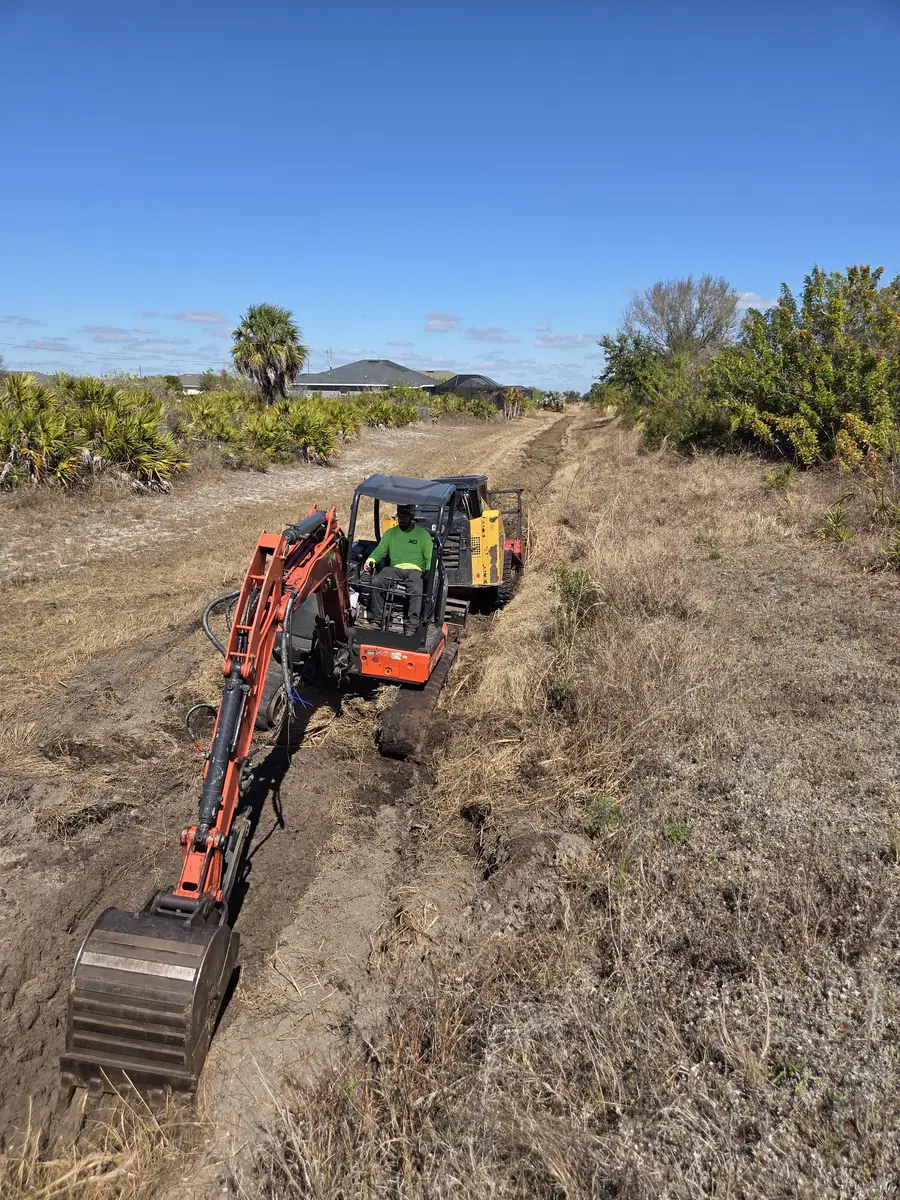
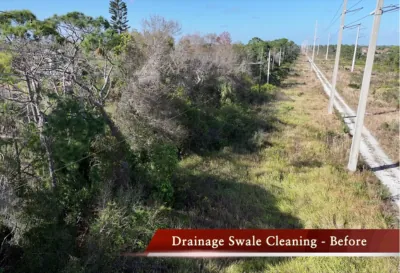
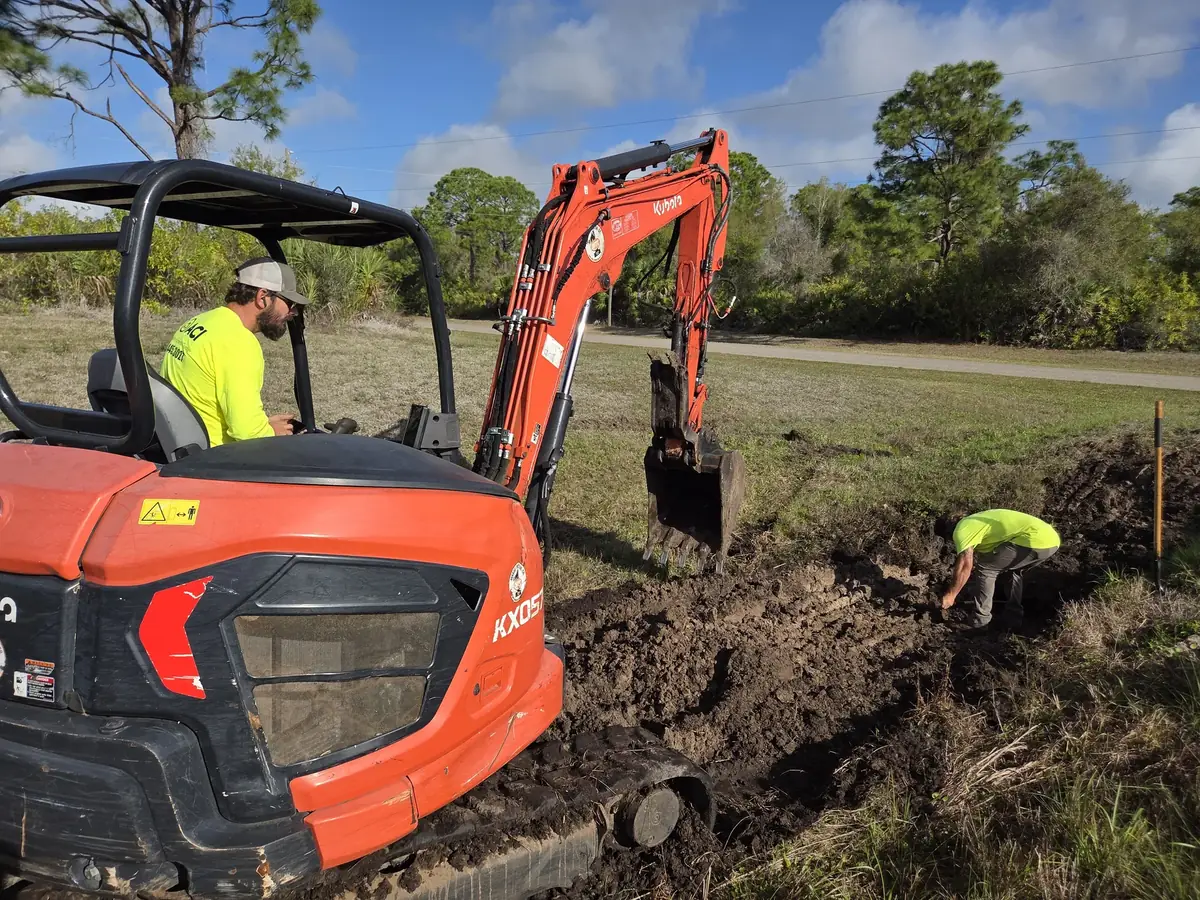
We clear years of tree growth and sediment out of neglected ditches, swales and canals so stormwater moves the way the system was built to move it.
See Drainage & Canals →Free, no obligation estimates. 24/7 emergency service.