
How to Get Your Trees Ready for Hurricane Season in Venice, FL
The tree that wrecks a house in a hurricane usually showed warning signs in July.
· Land Clearing
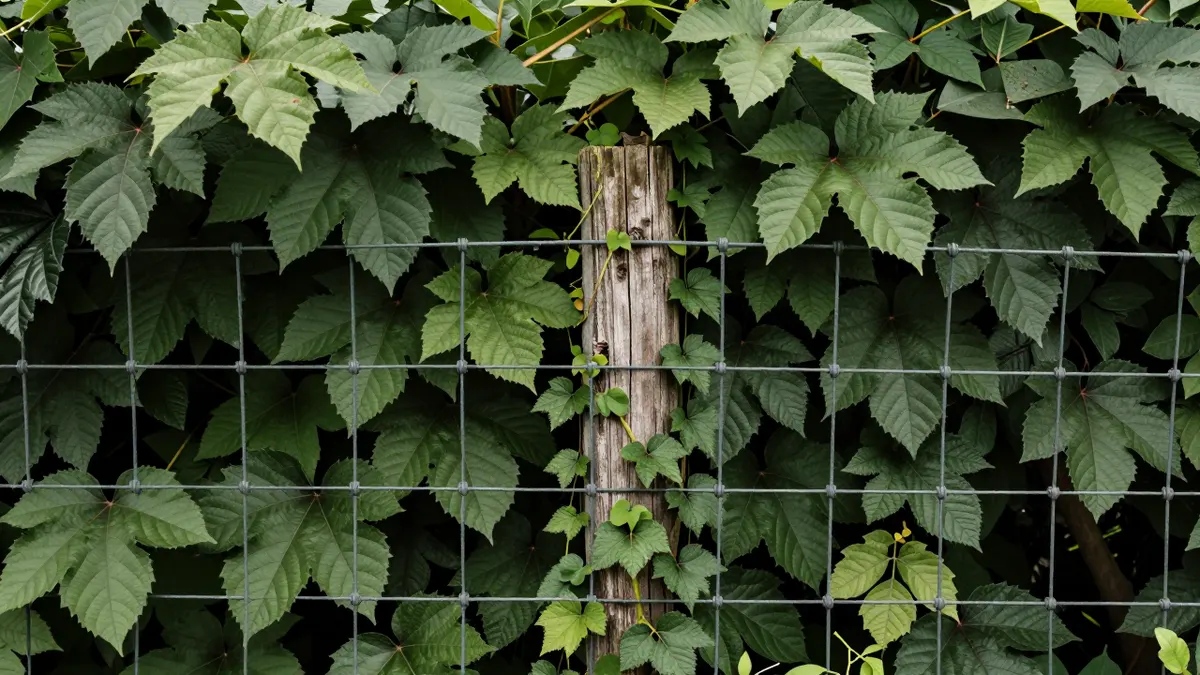
Two wet seasons. That's all it takes for a clean fence line in Southwest Florida to disappear. The first summer, vines find the wire. The second summer, saplings come up through the bottom strand and Brazilian pepper leans its whole weight on the top one. By the third year the posts are carrying brush instead of holding stock, and the wire you can still see is stretched, sagging or snapped.
A fence is a straight line of support in open ground, and every climbing plant around it treats it that way. Vines wrap the wire and pull it down as they get heavier. Saplings rooted right under the fence grow into the wire and swallow it into the trunk. Shrubs lean on it from both sides.
It also stops being a fence you can check. When brush covers both sides, nobody can walk the line, spot a broken insulator on a hot wire, or see where hogs are digging under. Clearing isn't cosmetic. It's what lets the fence do its job.
The mix on a pasture fence out past North Port, Myakka City or Rotonda West is pretty consistent. Each one causes a different problem.
Our growing season doesn't really stop. Sandy soil, summer rain and mild winters mean brush in Sarasota County and Charlotte County puts on growth most of the year, which is why a line cleared once and walked away from comes back so fast.
The width is a practical call, not a fixed number. The first thing driving it is reach. Pepper, oak and wax myrtle send branches out sideways. If the cleared strip is narrower than what the brush next to it can reach, the canopy closes back over the wire in a season. A wider strip buys time.
The second is the machine. A forestry mulcher on a tracked carrier cuts a path about the width of its head. Most landowners pick a strip that's one or two passes wide on each side, because that's what the machine does cleanly. After that, you want something you can keep open with the mower or bush hog you already own. If your mower can't fit down the strip, the strip won't stay clear.
The third is the fence itself. Barbed wire and field fence get cleared tight to the posts by hand or with a saw, then the machine works outward. Nobody should run a mulcher head into the wire.
One thing to settle first: if there's any question about where the line actually sits, get it surveyed before anyone clears. Clearing the wrong side of an old fence is an easy mistake to make on rural land, and a survey is cheaper than the argument.
The common first move is to bush hog the edge, or hire someone to run a skid steer with a brush cutter down it. It looks clean for about a month. The trouble is that cutting pepper, wax myrtle and oak at the top leaves a live stump with a full root system underneath. Each stump pushes up several new stems in place of the one you cut. A year later the line is thicker than it was.
Pulling vines off the wire by hand has the same problem with smilax and grape. The roots are still there.
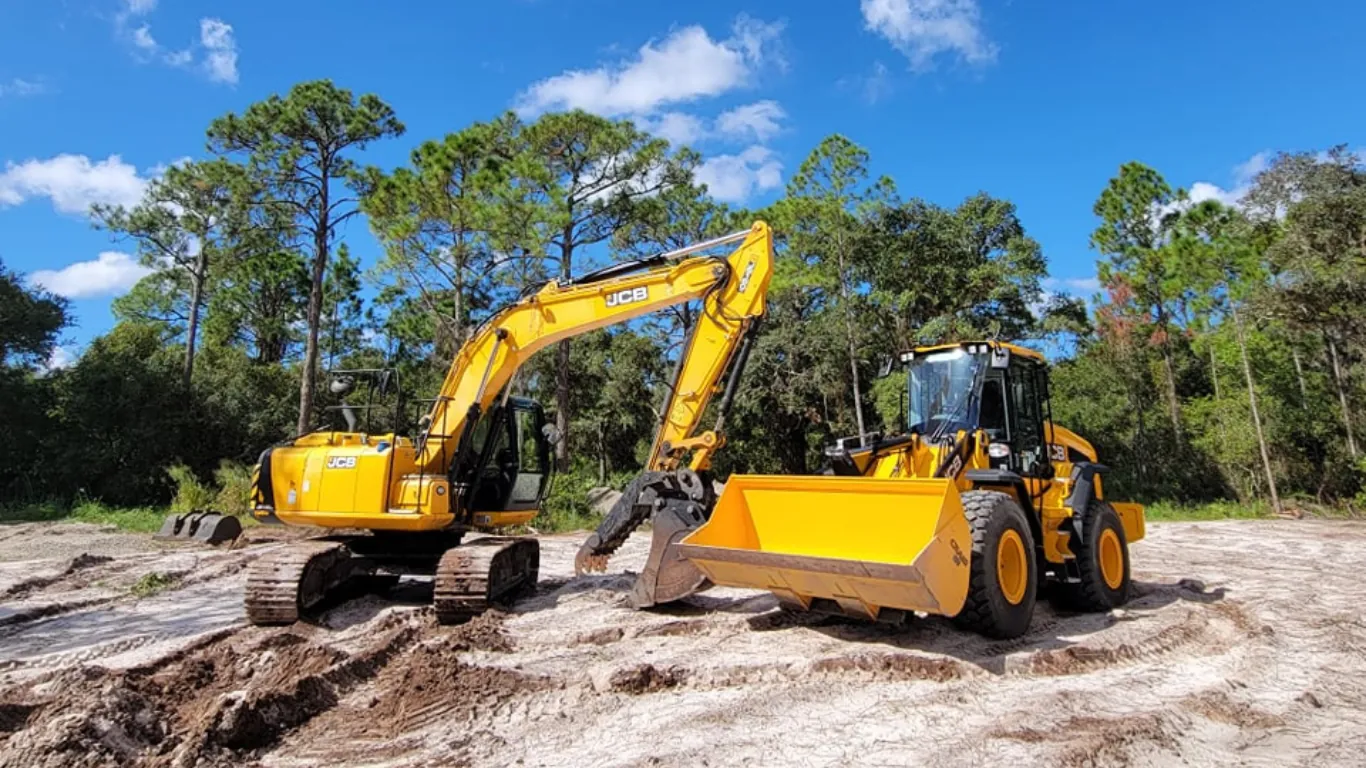
A forestry mulcher for overgrown fence lines is the usual tool for this. It grinds the trees, brush and invasives like Brazilian pepper right where they stand and leaves the chips on the ground. There's nothing to haul and no dump fees. The mulch layer holds the sandy soil in place and shades out a lot of the seed that would sprout in bare dirt.
On a line with big stumps, lots of palmetto, or a strip where you want bare, graded ground, an excavator or full land clearing with root removal makes more sense. On most pasture fences, mulching wins.
The part people skip is the follow-up. Pepper and other woody resprouters need a second visit, usually a few months after the first pass, when the new shoots are small and easy to treat. That's the step that turns a clearing job into a line that stays open. The Brazilian pepper removal guide goes into why the cut stump matters so much.
November is a good month to start. The dry season firms up low ground, so heavy equipment can reach wet corners of a pasture without rutting them. Vines have finished their big summer push.
Skip all of that and you're back to a full clearing job in two or three years. That's the trade: a little every season, or a big job every few years. If you already mow pasture, the small version is cheap and mostly DIY.
Aquatic Consulting, Inc. runs forestry mulchers and excavators on land clearing across Sarasota, Charlotte and Manatee Counties, and a fence line job starts with walking it. A good visit covers how many feet of line there are, what's growing on it, where the ground stays wet, what the fence is made of, and whether the posts are worth saving. You should come away knowing which sections get mulched, which need roots pulled, and how the strip gets kept open after.
If the line crosses a wetland edge or a drainage ditch, that section gets handled differently, and we check the rules for your parcel before anything gets cut. For the tradeoffs between the two approaches on a larger job, see forestry mulching versus full land clearing.
Wide enough that the brush next to it can't reach back over the wire, and wide enough for the mower you'll maintain it with. On most pasture fences that's one or two mulcher passes on each side. Thick pepper or oak along the line usually calls for more.
Mulching takes the pepper down and grinds it up, but the stumps will resprout. A follow-up treatment on the new shoots a few months later is what actually stops it. Without that step, it comes back thicker.
Yes. The brush right against the wire and posts gets cut by hand or saw, and the mulcher works outward from there.
The dry season, November through spring, is the easiest time. Ground is firmer, equipment can reach low spots, and the line has time to settle before summer growth.
Got a fence line that's disappearing? Call or text 941-445-3027 with the rough length and a couple of photos, and we'll set up a time to walk it with you.
The tree that wrecks a house in a hurricane usually showed warning signs in July.
Somebody topped or hat-racked your tree and left. Restoration pruning can bring one back over several years, and some aren't worth saving. We'll show you how to tell.
Buying a lot in Venice or North Port and planning to build? What site clearing involves, what it costs, and the mistakes that show up under the slab later.
Text 941-445-3027 and ask the owner directly. Free, no obligation estimates.