
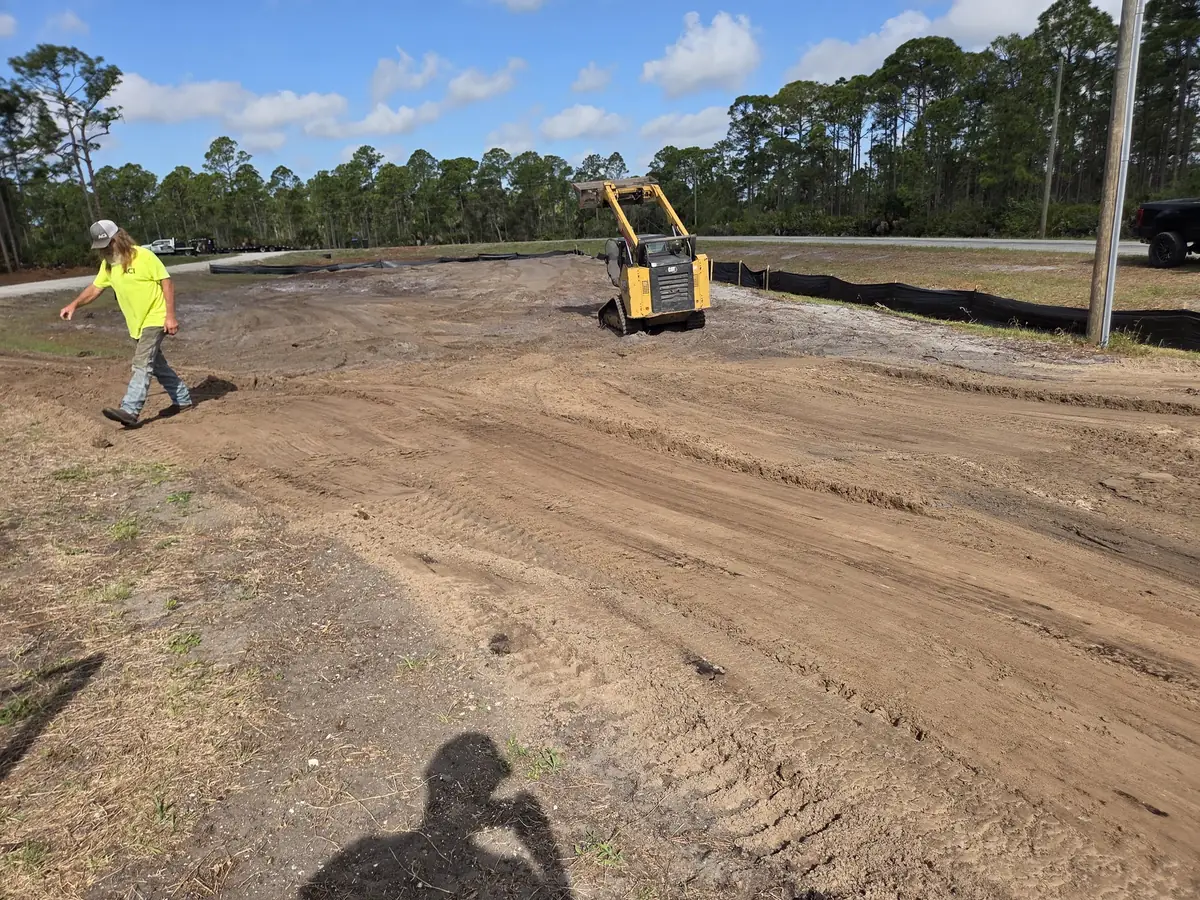
Land Clearing
Complete lot clearing with excavator and root rake, plus fill dirt delivered and compacted for a house pad. No deposit and no long wait.
See Land Clearing →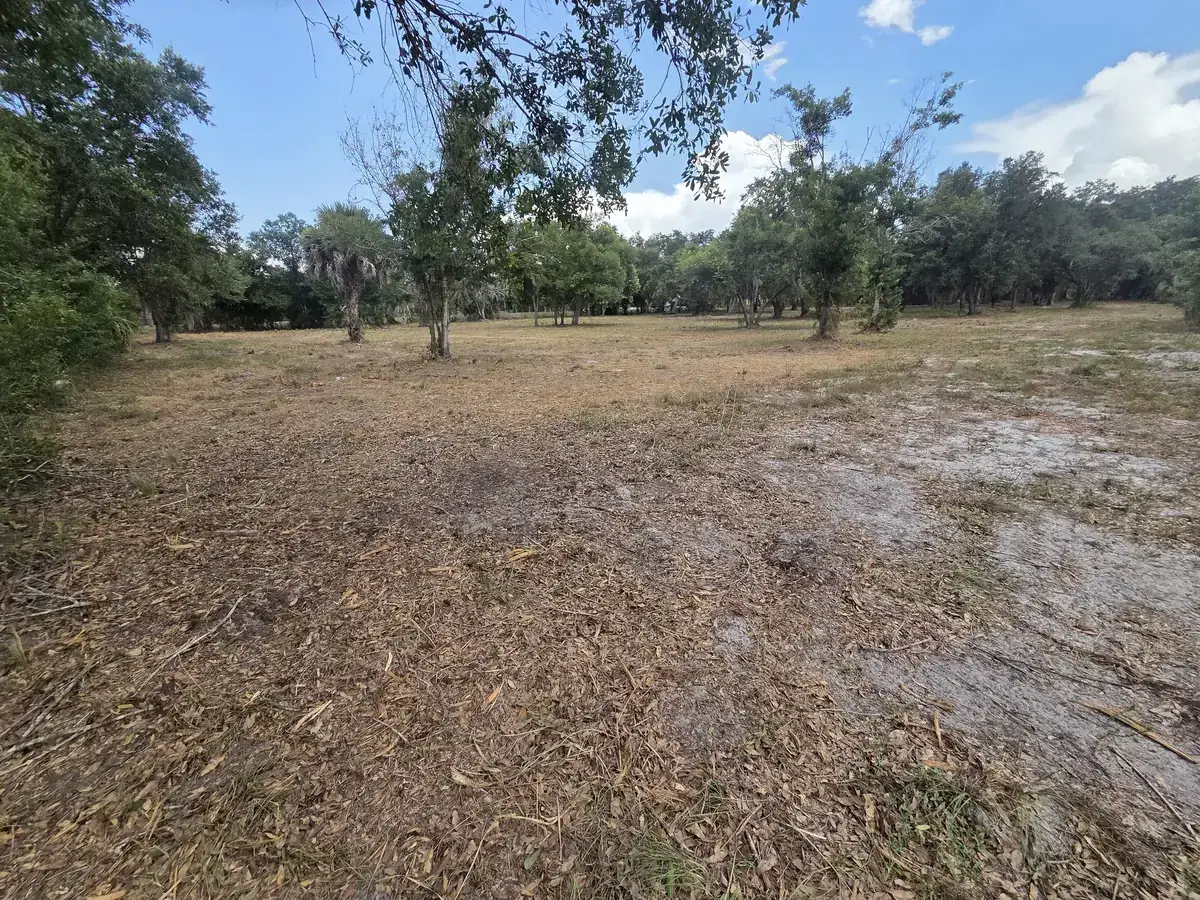
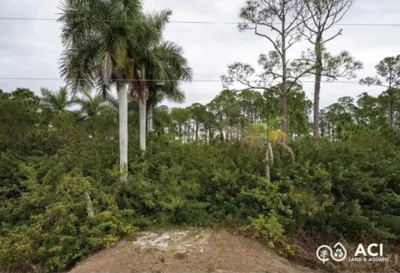
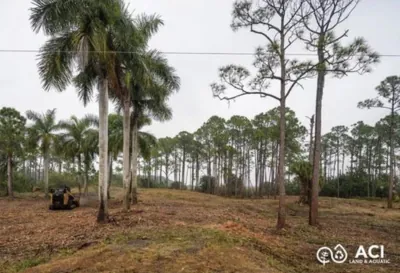
We grind palmetto, underbrush and especially the extremely invasive Brazilian Pepper in place, leaving your mature native trees standing and the ground open and walkable.
Forestry mulching on North Port platted lots and acreage. Company owned machines, Denis-Cimaf heads, no hauling costs. We cover 34286, 34287, 34288 and the rest of North Port. ACI has worked Sarasota County for 23 years, out of Venice. Free estimates, no obligation, and someone answers 24 hours a day. Text 941-445-3027.
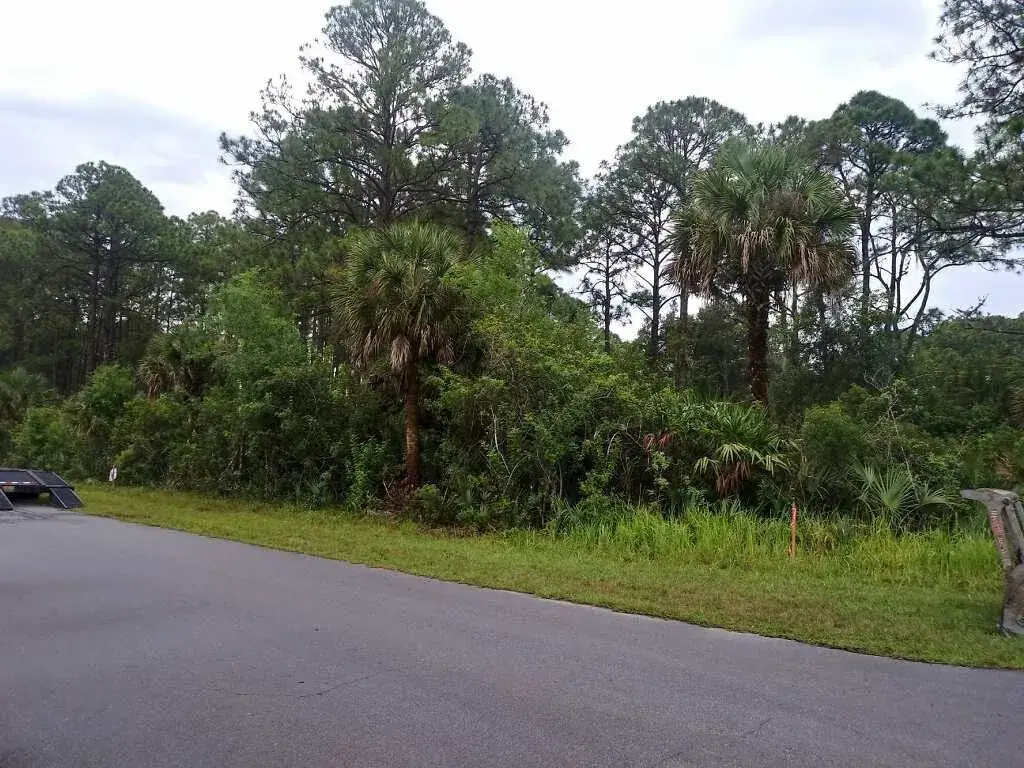
The vacant lot inventory is the whole reason forestry mulching makes sense in North Port. General Development Corporation put more than 67,000 lots on the ground inside these city limits starting in the 1950s, most of them small rectangles around 80 feet by 120 feet, and a large share of them never got built on. Six decades of nothing produced palmetto scrub, Brazilian pepper, cabbage palm, volunteer pine and vine growing through all of it.
On a lot that size, hauling is the expensive part. A mulcher takes the growth down where it stands and leaves it on the ground as a mulch layer instead of filling trucks and paying tipping fees at the other end. On North Port sand that layer earns its keep. It holds the surface together through the wet season instead of letting the first hard rain move your lot into the swale out front.
We own a large collection of machines and operators and we run the industry gold standard Canadian made Denis-Cimaf heads on them. Nothing is rented and nothing is subcontracted, so the machine that shows up is the one the site needs. That matters on a single 80 by 120 lot with a house on either side, and it matters again on the three to five acre parcels up in North Port Estates where a rental yard would not deliver anyway.
One local thing to plan around. Gopher tortoises want the dry, well drained sandy ground that a lot of these older North Port lots still are, and burrows are the state's call, not ours: FWC's gopher tortoise permit rules. We flag what we find on the walk through so it does not stop your project cold on day one.
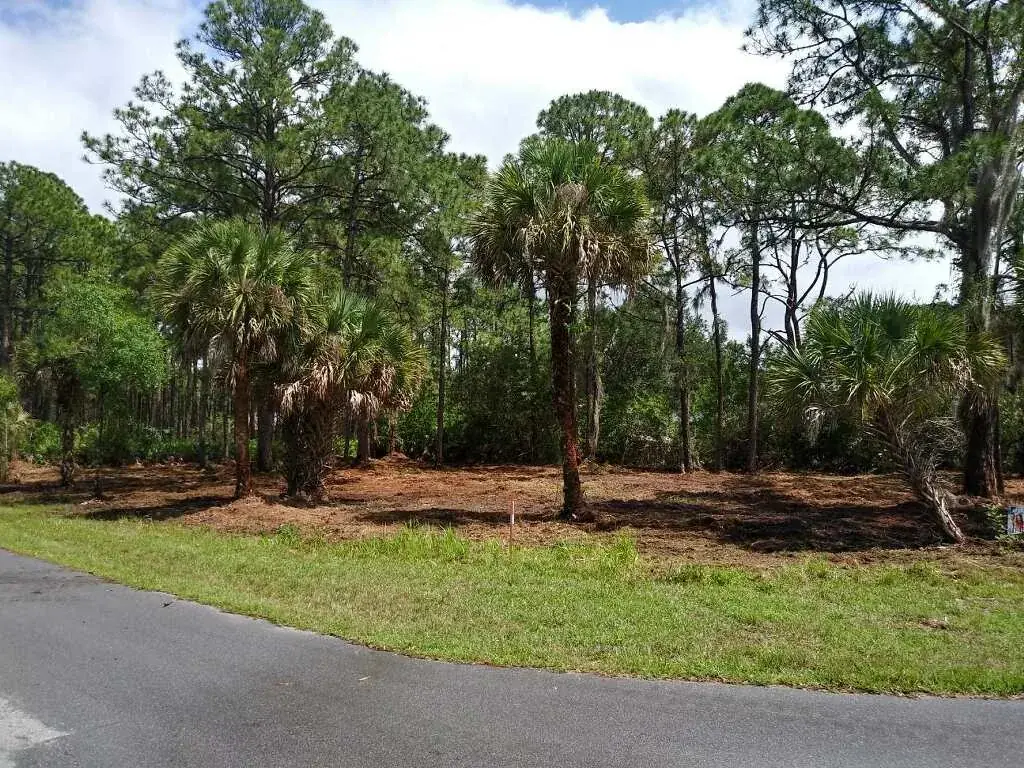
The typical job is a lot somebody bought to build on, or held for years and now wants cleaned up because the city sent a letter. Most standard lots are a short job. You end up with an open, walkable piece of ground you can actually survey and stake, with a mulch layer instead of a burn pile or a debris bill.
The other job is acreage. On the bigger parcels we mulch selectively, which is something you cannot do with a dozer. We take the pepper, the palmetto and the junk and we leave the live oak, the cabbage palm and the pine you actually want. Owners who plan to build one house on five acres are usually surprised how much worth keeping is buried in there.
Mulching also does not need the same site prep and cleanup as grubbing. Less traffic in and out, less disturbance next to a swale or an easement, and no spoil pile to deal with later.
The mulching head feeds standing vegetation into a spinning drum and grinds it into chips that drop right where the plant stood. Palmetto, briar, vines, small trees and thick invasive growth all go through it. The chips settle into a blanket that holds the soil, keeps the dust down and breaks back into the ground on its own.
Because nothing leaves the site, there is no burn pile, no roll off container and no line of trucks running to a dump. That is the part of a traditional clearing bill that catches people off guard.
Traditional clearing takes everything. A machine pushes the vegetation into piles, the piles get burned or hauled off, and you are left with bare ground and a bill that counts every load. Mulching is selective. We keep the oaks, pines, cabbage palms and anything else you mark, and grind only what you do not want.
It is also quicker. There is no waiting on trucks and no staging area for debris, so the machine works straight through and the site is done when the grinding stops. Where the goal is usable ground rather than bare dirt, it is usually the less expensive road.
Requirements change from county to county and from city to city, and vegetation removal rules, protected tree rules and preserve setbacks can all come into it. We check what applies to your address before anything starts. If a permit is needed, we file it and see it through so you are not standing in line at a county office.
Before the machine rolls we walk the property with you and mark what stays. Specimen trees, a buffer for privacy, a corner you want left wild. Whatever you flag, the operator works around.
We use the industry gold standard Denis-Cimaf head. We run a large collection of company owned machines and operators, so there is no rental yard, no waiting on a machine to come back from somebody else's job, and no subcontractor to worry about.
The type of head and teeth decides what your ground looks like when the work is done. Ours leave a fine, even mulch instead of a field of splinters and chunks, and that is the difference between a lot you can walk on Monday and a lot you have to clean up twice.
Cleared ground does not stay clear on its own in this climate. A lot that gets no attention starts closing in again, and the invasive stuff is usually first back through the door.
Many mulching customers have us back on a rhythm, some yearly, some every few years, and the return visit is a smaller job than the first one. We work with the same families, HOA boards and property managers year after year. We would rather keep a property looking right than sell the same big clearing twice.
This company has been working land in Sarasota, Charlotte and Manatee Counties for 23 years, and forestry mulching has been part of that work for a long stretch of it. The crew shows up in uniform, in clean lettered trucks, and the site is picked up before we pull out.
4.9 stars from 142 Google reviews.
The lot next to me is empty and the Brazilian pepper trees are rampant. I have to push them back every year which takes hours and hours to do. Adam quoted me a fair price and CJ did a fantastic job. They mulched the pepper trees down into the soil. I don't think I am going to have to worry about this for a few years. A light cleanup each year will keep it up.
It depends on the acreage, how thick the growth is and how easily the machine gets in. Mulching skips the hauling and dump fees that come with traditional clearing. We walk the property and give you a free, no obligation estimate before you commit to anything.
That depends on where the property sits and what is growing on it. Counties and cities in this area set their own rules on vegetation removal and on protected trees, so we check what applies to your address before the work is scheduled. If a permit is required, we handle the process for you.
That is what the walkthrough is for. We mark what stays before any work begins and the operator works around it. Being selective is the whole reason to use a mulcher instead of a dozer, and we have an ISA Certified Arborist on staff if you want a second opinion on which trees are worth saving.
No. It stays on the ground as a layer, holds the soil in place and breaks down over time. If you want it spread thinner in one area, tell the operator while he is on site and he will level it out.
Some of it will. Grinding takes the growth down to the ground, but this is Florida and vegetation comes back. Many owners have us return for a maintenance pass, and that visit is a smaller job than the first one.
Yes, up to a line we can confirm. If the line is not marked, cutting a path along it is often the first thing we do so the surveyor can find and stake it. We do not cross onto a neighbor's land without their say so.
Depends on the plan. Mulching leaves the root mass in the ground under a mulch layer. That is fine for a fence line, a pasture, a trail, a survey or getting a code letter off your back. If a house pad, a driveway or a septic field is going in, that footprint normally needs full clearing and grubbing. On a lot of North Port lots we do both, mulching the bulk of it and grubbing only what the build touches.
No. Single lots are a big part of what we do here. We size the machine to the site, and on a small lot with houses either side we bring something that fits between them instead of forcing the biggest iron we own onto the property.
They want exactly the dry sandy ground these older untouched lots sit on. We walk the lot with you first, point out what we see and tell you if anything on the FWC side has to happen before we start.
We work across Sarasota, Charlotte and Manatee Counties, and travel further for storm work.
Complete lot clearing with excavator and root rake, plus fill dirt delivered and compacted for a house pad. No deposit and no long wait.
See Land Clearing → One time removal of Brazilian pepper, Australian pine and other listed invasive species by mulching, hand cutting or selective herbicide treatment.
See Invasive Plants →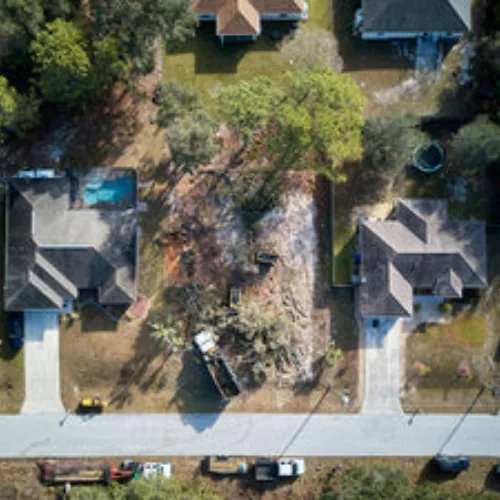
We bring in fill, set the grade and compact it, so your house pad, driveway or parking area sits on ground that drains right and stays put.
See Fill Dirt & Grading →Free, no obligation estimates. 24/7 emergency service.